Have you ever been texting a friend, posting on social media, or writing a message when you suddenly wondered, “Is it dammit or damnit?” You’re not alone. Many English learners and native speakers search for this spelling because both versions appear online, in movies, memes, and casual conversations.
People usually search for dammit or damnit meaning, correct spelling, pronunciation, examples, usage, and grammar difference. Since both spellings are widely seen on the internet, it’s easy to become confused.
The word is an informal exclamation that people use when they feel frustrated, surprised, disappointed, or annoyed. However, one spelling is considered more standard than the other.
In this guide, you’ll learn the meaning, pronunciation, examples, usage, spelling differences, common mistakes, expert tips, and simple explanations in easy English.
Dammit or Damnit – Quick Answer
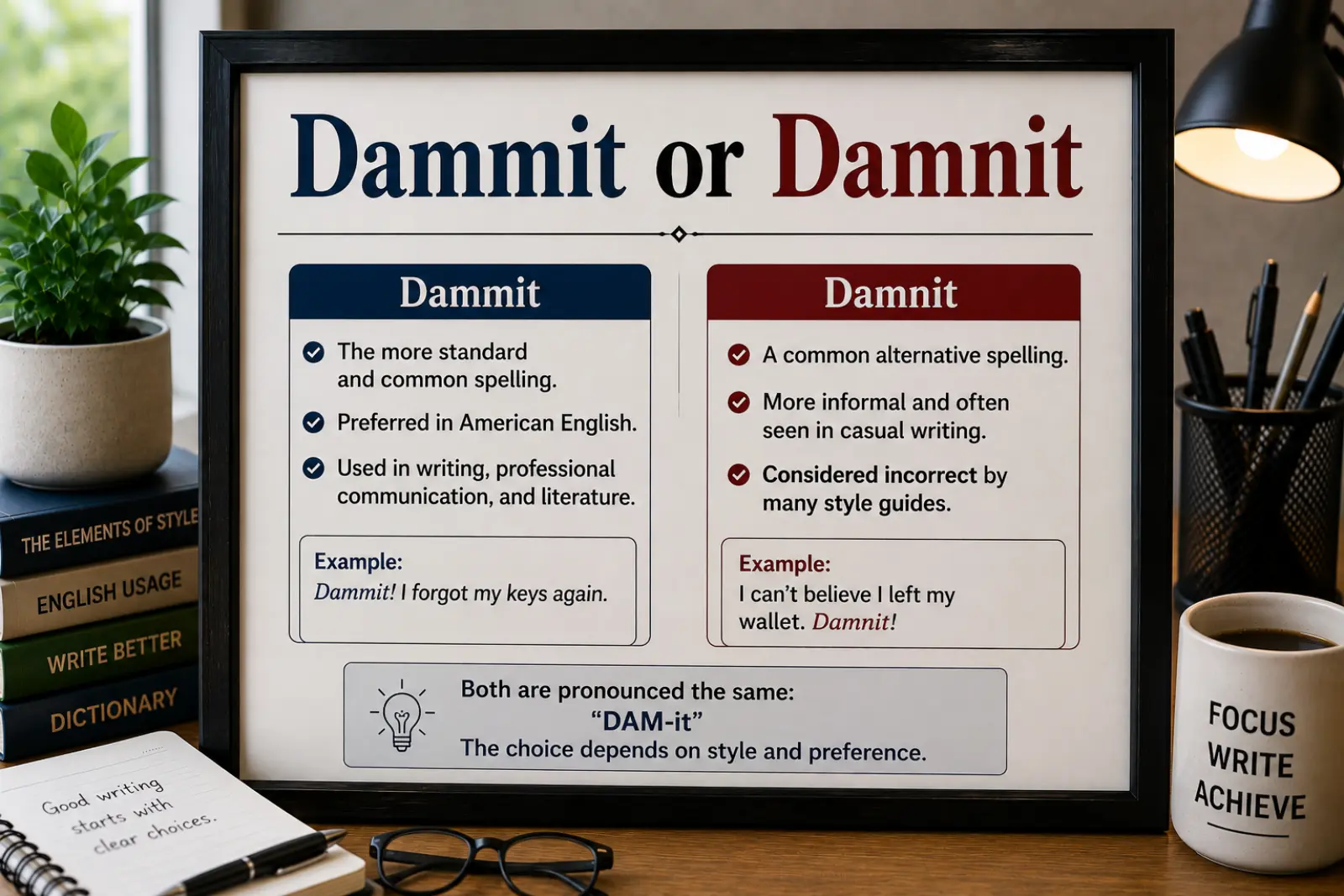
👉 Dammit = The standard and more widely accepted spelling.
👉 Damnit = An informal spelling variation that appears mainly in casual writing and online conversations.
Examples
- ✅ Dammit! I forgot my keys.
- ✅ Dammit, the computer crashed again.
- ✅ He shouted, “Dammit!”
- ⚠️ Damnit is sometimes used in texts and social media but is less common in formal writing.
Simple Rule
👉 Use dammit in most situations. Treat damnit as a casual alternative used mainly online.
What Does Dammit or Damnit Mean?
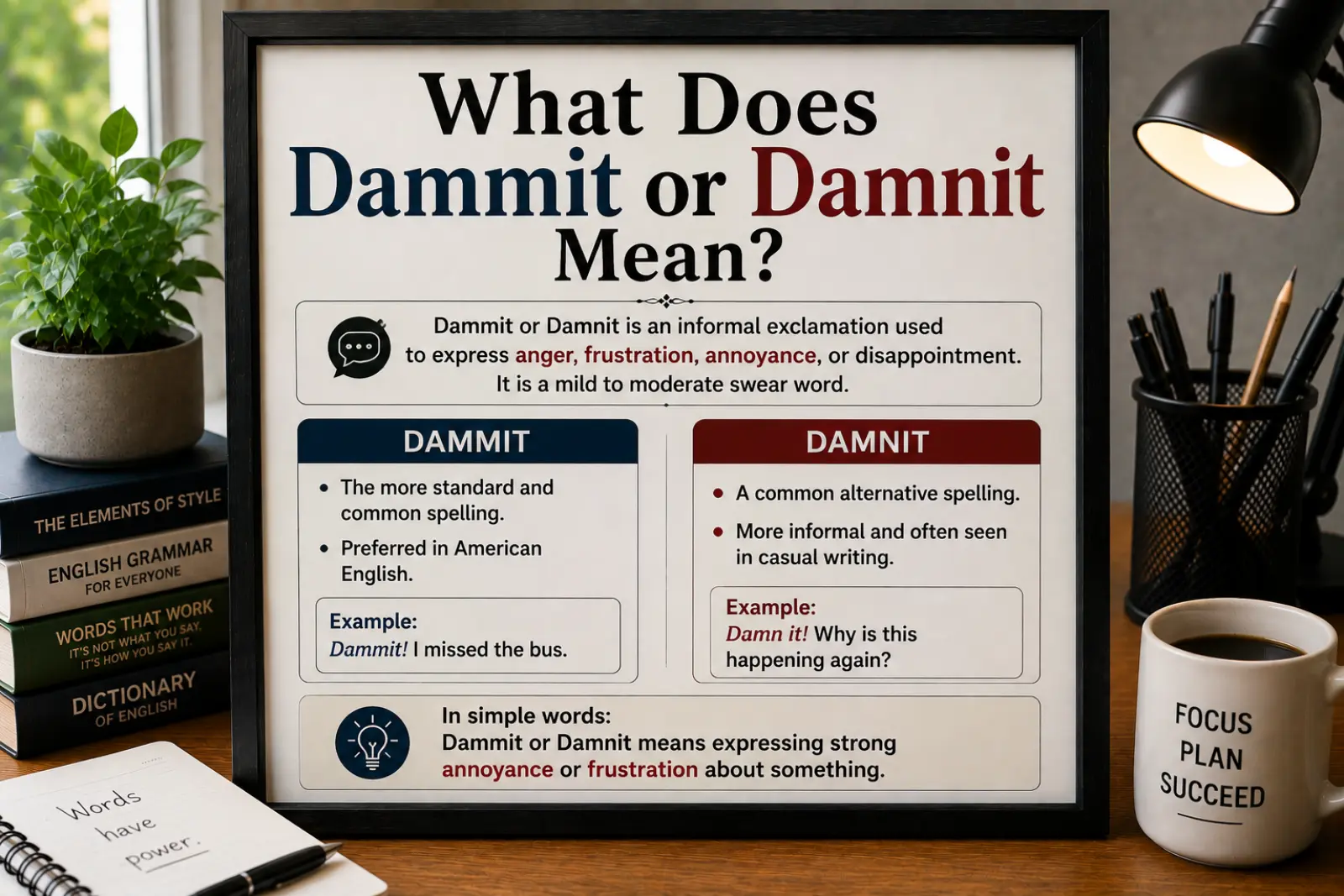
Dammit is an informal exclamation used to express strong emotions such as frustration, disappointment, surprise, or anger. It comes from the phrase “damn it.”
People often use it when something goes wrong unexpectedly.
Synonyms
- Darn
- Shoot
- Heck
- Blast
- Oh no
Opposites
There is no direct opposite, but calm expressions include:
- Great
- Wonderful
- Excellent
- Perfect
Related Terms
- Damn
- Darn
- Oops
- Frustration
- Exclamation
- Slang
The Origin of Dammit or Damnit
The word dammit developed as a shortened form of the phrase “damn it.” Over time, people began writing the two words together in books, movies, comics, and everyday conversations.
The spelling damnit appeared later as an alternative that reflects how some people pronounce the phrase quickly. Although it is common in informal online writing, dictionaries and editors usually prefer dammit.
How to Pronounce Dammit or Damnit
Dammit
Pronounced:
DAM-it
Phonetic: /ˈdæmɪt/
Damnit
Usually pronounced exactly the same:
DAM-it
Easy Speaking Tip
Both spellings sound almost identical, even though they look different.
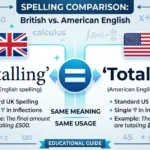
British English vs American English Usage
| Feature | British English | American English | Notes |
|---|---|---|---|
| Dammit | Common | Common | Standard spelling |
| Damnit | Seen online | Seen online | Informal variant |
| Pronunciation | Same | Same | Very little difference |
Which One Should You Use?
Use Dammit for:
- Casual writing
- Dialogue in stories
- Social media
- Everyday conversations
- Creative writing
Avoid both spellings in:
- Academic writing
- Business emails
- Professional reports
- Formal documents
| Situation | Better Choice |
|---|---|
| Text message | Dammit |
| Novel dialogue | Dammit |
| Social media | Dammit or Damnit |
| Business email | Avoid both |
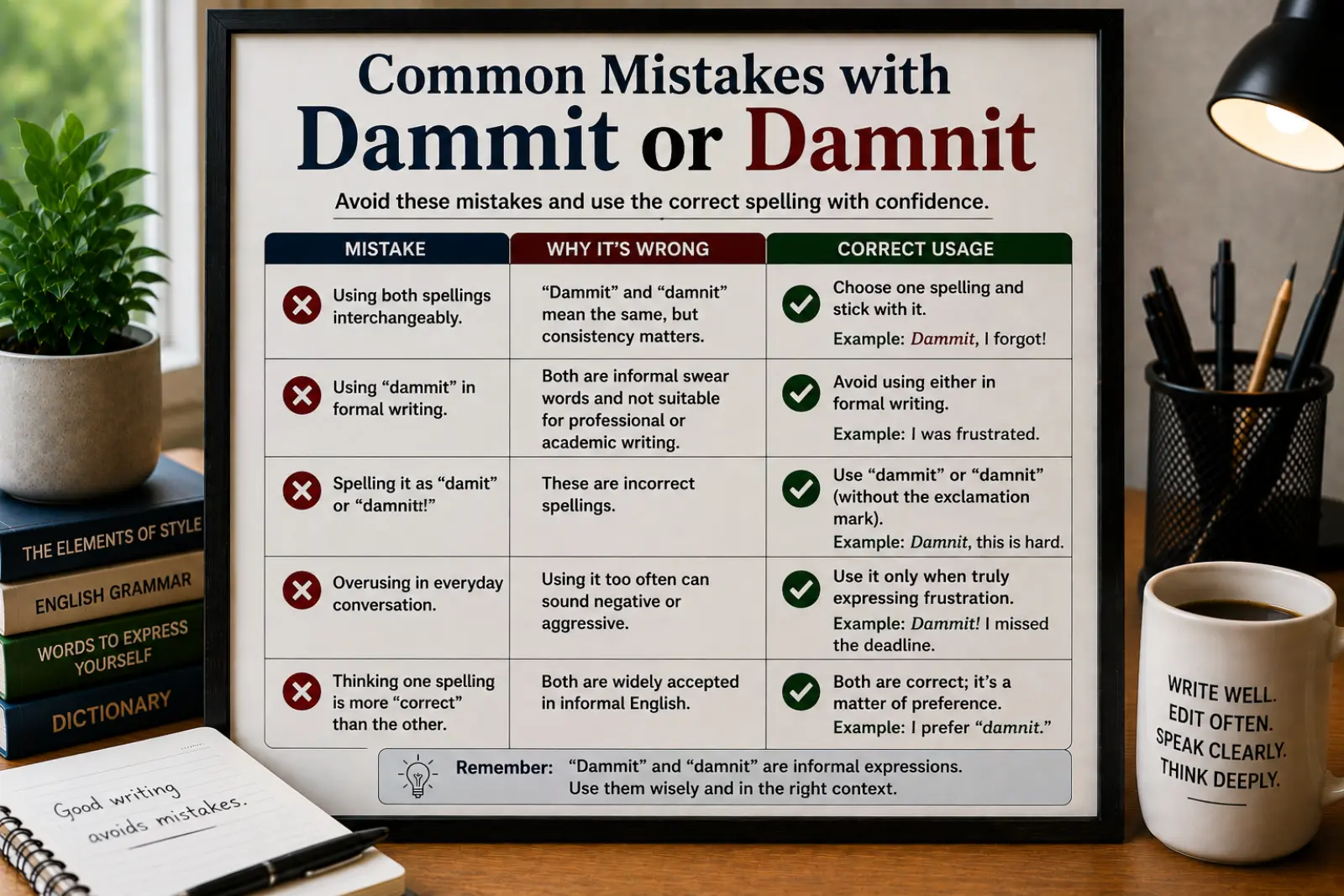
Common Mistakes with Dammit or Damnit
Mistake 1
❌ Damnit is the official spelling.
✔ Dammit is generally considered the standard spelling.
Mistake 2
❌ Use dammit in formal business emails.
✔ Choose more professional language instead.
Mistake 3
❌ Dammit and damn it have different meanings.
✔ They express the same basic idea.
Mistake 4
❌ Damnit is always wrong.
✔ It is an informal spelling variation, but it is less widely accepted.
Mistake 5
❌ Both words have different pronunciations.
✔ They are usually pronounced the same.
Dammit or Damnit in Everyday Examples
Work
“Dammit, I deleted the wrong file.”
School
“Dammit, I forgot my homework.”
Social Media
“Dammit, another rainy weekend!”
Daily Life
“Dammit, I missed the bus.”
Text Message
“Dammit! I’ll be there in five minutes.”
Conversation
“Dammit, I knew I left my phone somewhere.”
Dammit or Damnit in Different Contexts
Social Media
People often use dammit or damnit in memes, comments, and humorous posts to show frustration.
Movies and TV
Characters commonly say dammit during emotional scenes because it sounds natural in spoken English.
Creative Writing
Writers use the word to make dialogue feel realistic and expressive.
Everyday Speech
Friends may use it casually, but it should be avoided in professional settings.
Google Trends & Usage
People search dammit or damnit because they want to know:
- Which spelling is correct
- Is damnit a real word?
- How to spell dammit
- Difference between dammit and damn it
- Which version dictionaries recommend
These searches are popular in the United States, United Kingdom, Canada, Australia, India, and Pakistan, especially among English learners and social media users.
Comparison Table
| Feature | Dammit | Damnit |
|---|---|---|
| Standard spelling | ✅ Yes | ❌ No |
| Meaning | Frustration | Same meaning |
| Pronunciation | Same | Same |
| Dictionary acceptance | Higher | Lower |
| Formal writing | Not recommended | Not recommended |
| Social media | Common | Fairly common |
Dammit or Damnit in Professional Life
Both expressions are considered informal and mildly offensive. Avoid them in:
- Business communication
- Customer service
- Professional emails
- Academic assignments
- Workplace presentations
Instead, use phrases like:
- That’s unfortunate.
- Oh no.
- What a mistake.
- That’s frustrating.
Dammit or Damnit for Students or Beginners
Many learners become confused because both spellings appear online.
Remember:
- Dammit is the spelling you’ll find in most dictionaries.
- Damnit is mainly an internet spelling variation.
Learning the standard form will improve your writing and help you avoid confusion.
Common Uses Related to Dammit or Damnit
People often use these words when expressing:
- Frustration
- Surprise
- Anger
- Disappointment
- Annoyance
- Sudden mistakes
They commonly appear in:
- Movies
- TV shows
- Video games
- Text messages
- Social media
- Casual conversations
Simple Trick to Remember Dammit or Damnit
Think of it this way:
The word comes from “damn it.”
Since it contains “damn,” the standard combined spelling is dammit.
Memory Shortcut:
Damn + It = Dammit
Expert Tips
- Use dammit if you’re unsure which spelling to choose.
- Avoid both spellings in formal or professional writing.
- If you want a milder expression, use darn, oops, or oh no.
- Remember that tone matters—what sounds fine among friends may not suit the workplace.
Related Searches People Also Ask
Many readers also search for:
- Is dammit a real word?
- Is damnit in the dictionary?
- What’s the difference between damn it and dammit?
- Is dammit considered a swear word?
- Can I use dammit in an email?
- How do you pronounce dammit?
- Why do people spell it damnit?
- Is dammit acceptable in books?
- What are polite alternatives to dammit?
- Which spelling is more common?
FAQs
Which spelling is correct: dammit or damnit?
Dammit is the standard and more widely accepted spelling.
Is damnit a real word?
It is an informal spelling variation that appears mainly in casual writing.
Do dammit and damnit have different meanings?
No. Both express frustration or annoyance.
Can I use dammit in formal writing?
No. It is best avoided in professional and academic writing.
Is dammit a swear word?
It is generally considered a mild swear word or profanity.
How do you pronounce dammit?
It is pronounced DAM-it.
Why do people write damnit?
Some people spell it that way because it matches how they hear or say the word.
What are polite alternatives?
You can say darn, oops, oh no, or that’s frustrating.
Final Verdict
The answer is simple:
- ✅ Dammit is the standard and preferred spelling.
- ⚠️ Damnit is an informal spelling variation used mostly online.
Easy Memory Rule: Since the word comes from “damn it,” remember Damn + It = Dammit.
Conclusion
The difference between dammit or damnit is mainly one of spelling, not meaning. Both express frustration or annoyance, but dammit is the standard spelling recognized by most dictionaries and style guides. Damnit is a common informal variation you’ll often see in texts, memes, and social media. If you’re writing for school, work, or publication, choose dammit or, better yet, use a more polite alternative when the situation calls for it.

Camila Green is an English language writer who specializes in confusing word comparisons and spelling explanations. She creates simple, beginner-friendly guides on topics like “niece or neice” and other common English mistakes. Her writing focuses on clarity, real-life examples, and easy learning. At VerrsaPick, she helps readers improve their English with practical and engaging content.