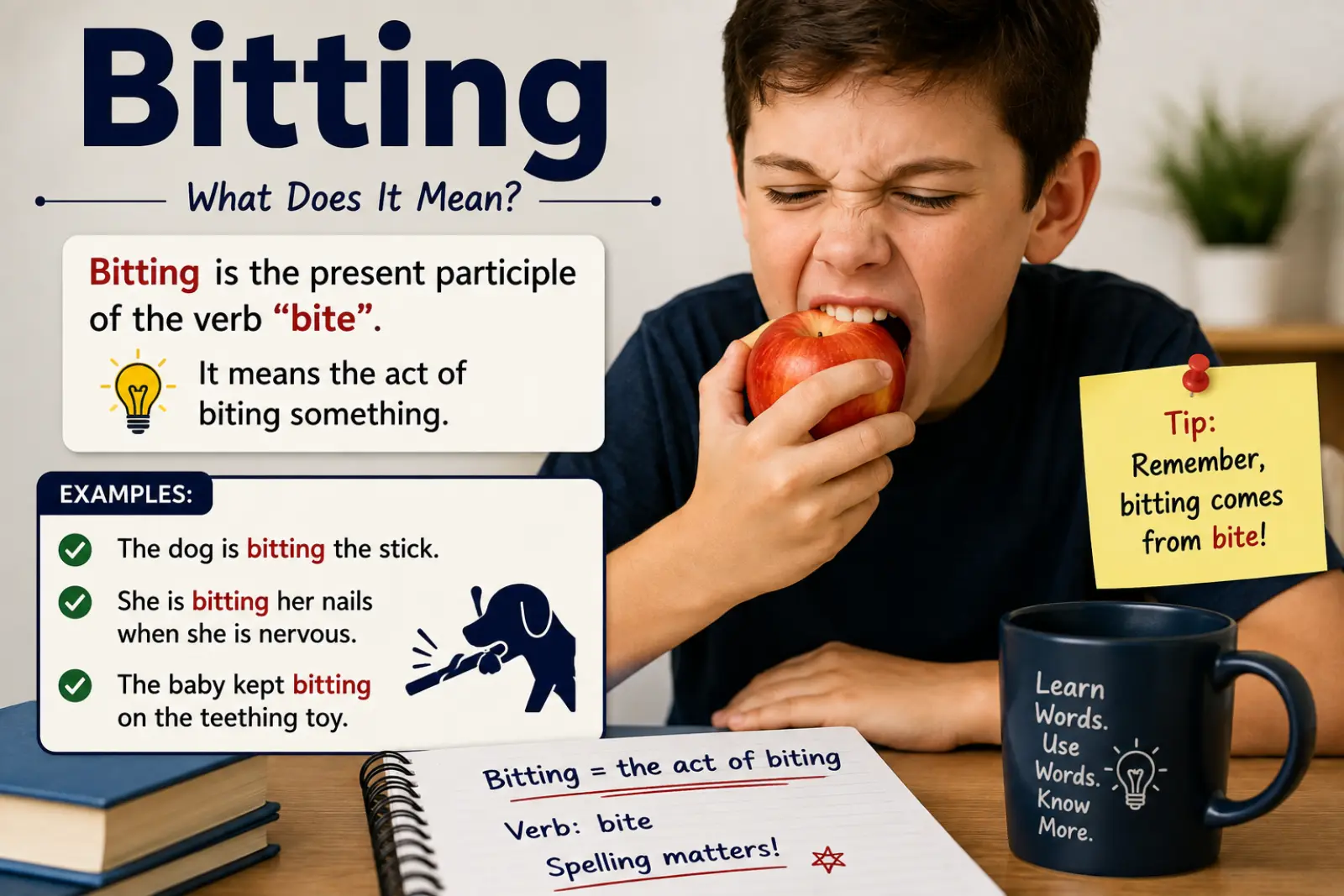
Have you ever typed “bitting” into Google or written it in an email, only to wonder if it is a real English word? You’re not alone. Many English learners confuse bitting with biting because the words look and sound similar. In most everyday situations, people actually mean biting, but they accidentally spell it as bitting.
People usually search for “bitting” to find out if it is the correct spelling, what it means, how to pronounce it, and when it should be used. This confusion is common in school assignments, workplace writing, social media posts, text messages, and online searches.
The answer depends on the context. Bitting is a real word, but it is rarely used in everyday English. It has a specialized meaning in fields like horse equipment and locksmithing. If you are talking about someone using their teeth, the correct word is biting.
In this guide, you’ll learn the meaning, pronunciation, examples, usage, grammar rules, common mistakes, expert tips, and simple explanations in easy English.
Bitting – Quick Answer
Simple Answer
- 👉 Bitting = A real but uncommon word used in technical fields, especially for the design of a horse’s bit or the cut pattern of a key.
- 👉 Biting = The correct word for using teeth to cut, chew, or grip something.
Examples
- ✅ The horse’s bitting was adjusted for comfort.
- ✅ The locksmith checked the key bitting.
- ✅ The dog is biting the toy.
- ❌ The child is bitting his finger.
Easy Memory Trick
If teeth are involved, use “biting.”
What Does Bitting Mean?
Bitting is a technical noun that refers to:
- The design or fitting of a horse’s bit in horse riding.
- The pattern of cuts on a key in locksmithing.
Outside these specialized fields, most people almost never use the word.
Related Terms
- Bit
- Biting
- Horse bit
- Key cutting
- Locksmith
- Horse tack
Synonyms (depending on context)
- Bit fitting
- Key pattern
- Key cuts
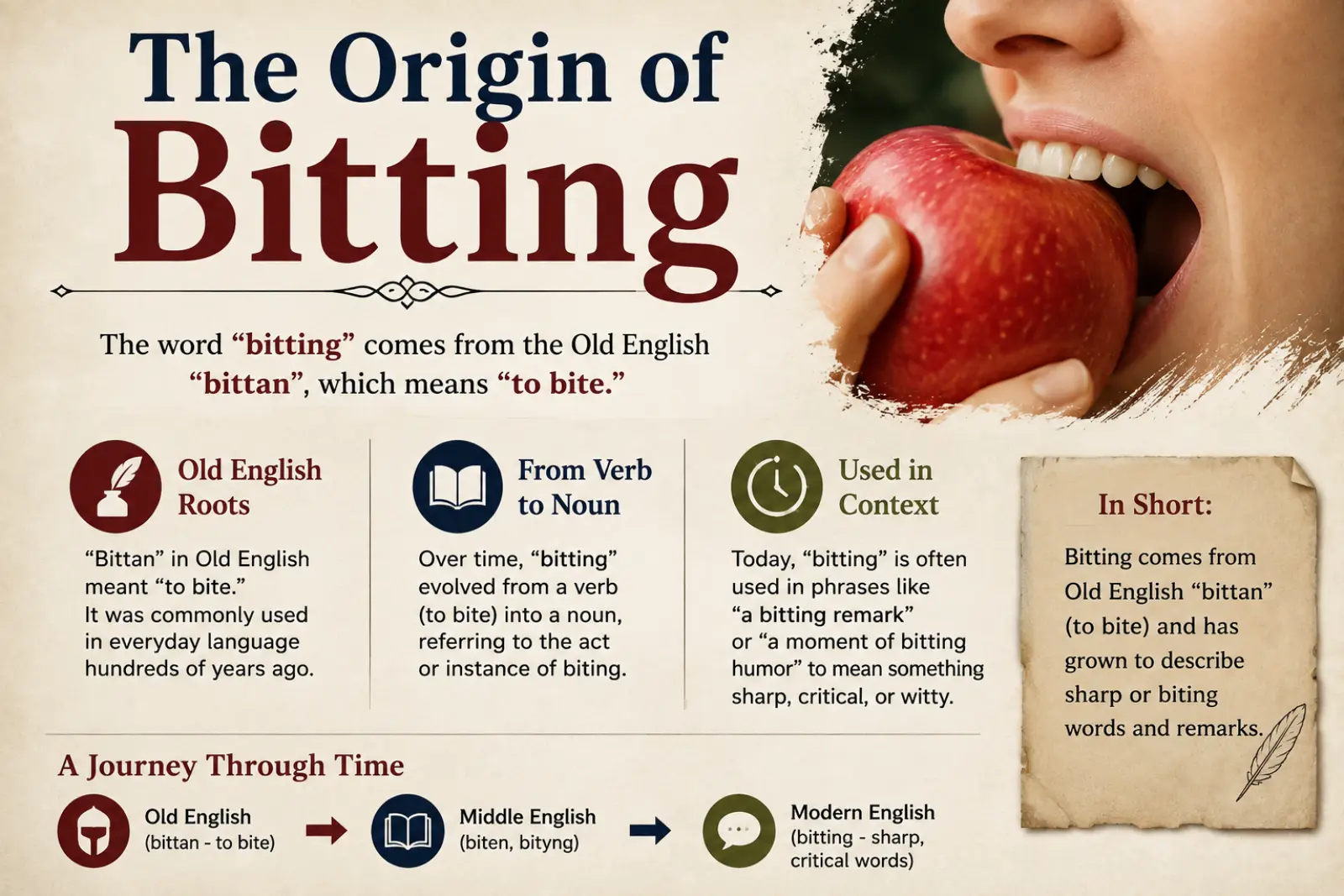
The Origin of Bitting
The word bitting comes from the noun bit.
Over time, it developed special meanings in horse riding and locksmithing. Meanwhile, biting became the common everyday verb for using teeth.
How to Pronounce Bitting
Pronunciation:
BIT-ing
Syllables
Bit-ting
Speaking Tip
Say “bit” first, then add “ting.”
Common Mistake
Many learners confuse bitting with biting because they sound similar in fast speech.
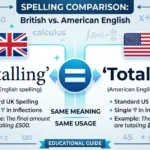
British English vs American English Usage
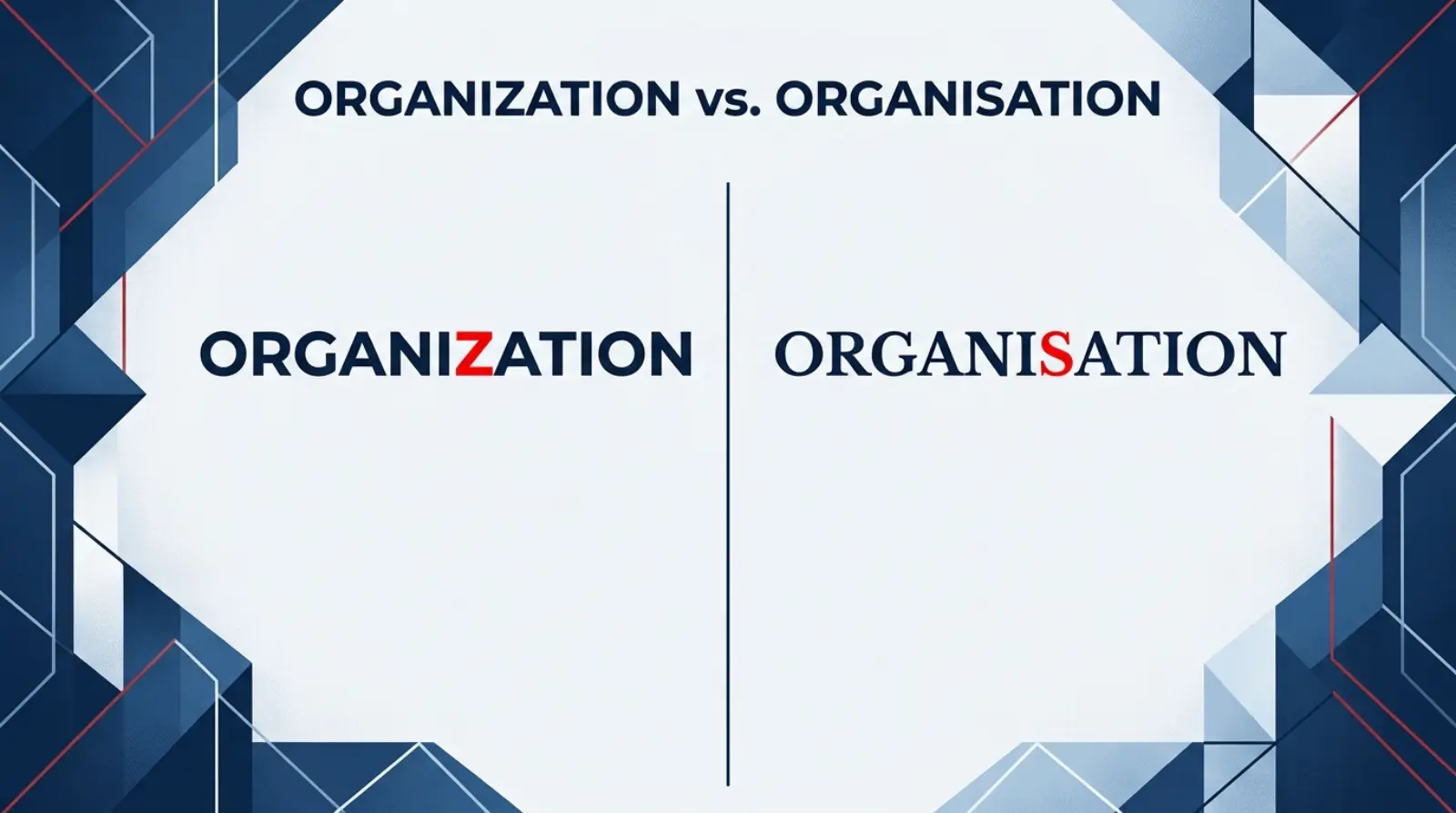
| Feature | British English | American English | Notes |
|---|---|---|---|
| Bitting | Used in technical fields | Used in technical fields | Same meaning |
| Biting | Everyday English | Everyday English | Much more common |
There is no spelling difference between British and American English.
Which One Should You Use?
Choose the word based on your meaning.
| Situation | Correct Word |
|---|---|
| Dog using teeth | Biting |
| Child chewing | Biting |
| Horse equipment | Bitting |
| Locksmith work | Bitting |
For everyday writing, biting is usually the correct choice.
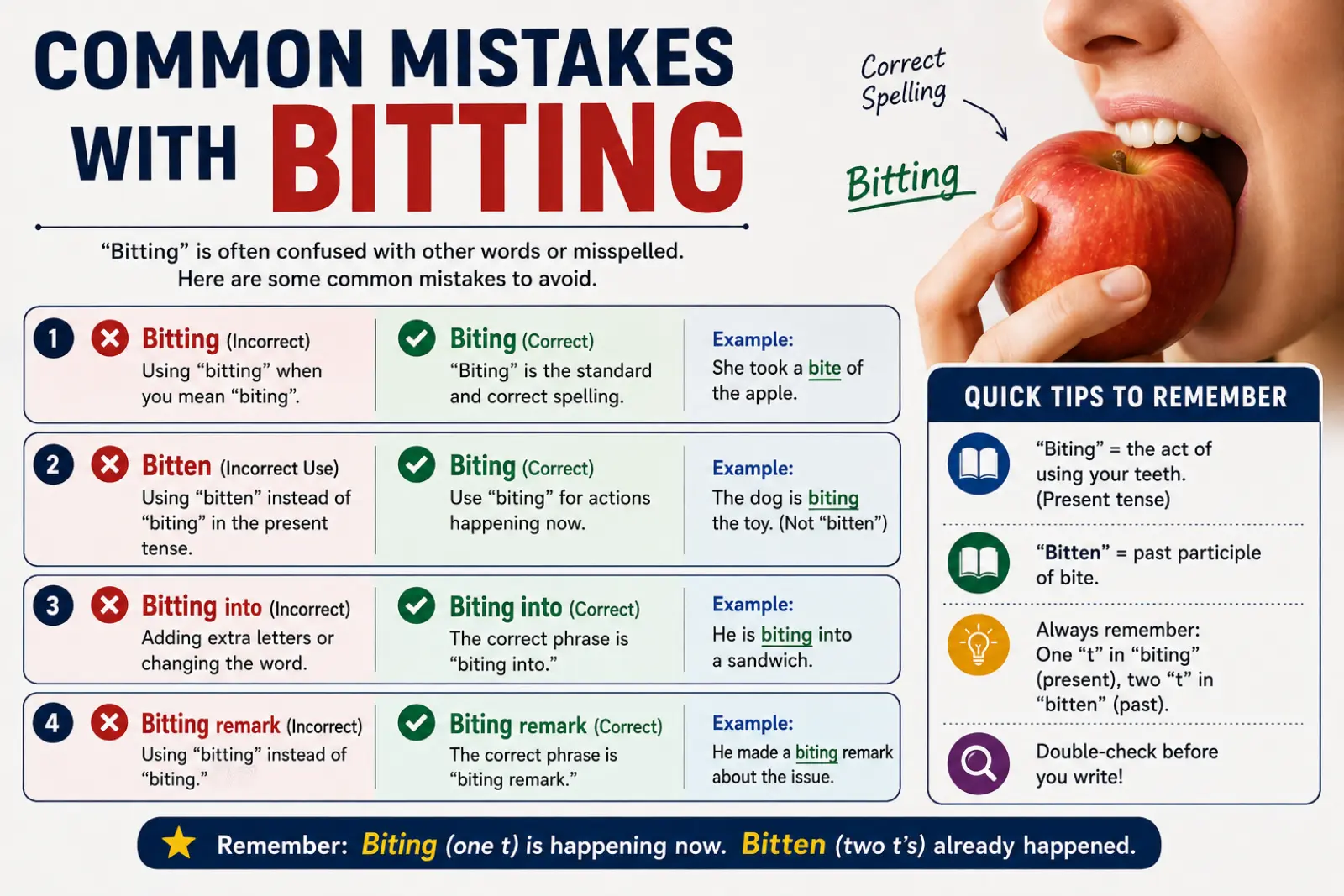
Common Mistakes With Bitting
Mistake 1
❌ The dog is bitting me.
✔ The dog is biting me.
Reason: Teeth action uses biting.
Mistake 2
❌ She keeps bitting her nails.
✔ She keeps biting her nails.
Mistake 3
❌ I was bitting my sandwich.
✔ I was biting my sandwich.
Mistake 4
❌ Assuming bitting is always wrong.
✔ It is correct in horse riding and locksmithing.
Mistake 5
❌ Using bitting in everyday conversation.
✔ Use biting unless discussing a technical subject.
Bitting in Everyday Examples
Horse Riding
“The trainer adjusted the horse’s bitting.”
Locksmith
“The key bitting matched the lock.”
School
“The puppy kept biting everyone’s shoes.”
Work
“The safety report mentioned a biting hazard.”
Conversation
“I accidentally wrote bitting instead of biting.
What Is a Word for Biting?
There are several words you can use instead of biting, depending on the situation. The best choice depends on how someone or something bites.
- Nipping means taking a small or quick bite.
The dog nipped my hand. - Gnawing means biting or chewing something repeatedly, often to break it apart.
The mouse was gnawing on the wood. - Chomping means biting or chewing something with strong, noticeable movements.
He was chomping on an apple. - Nibbling means taking small, gentle bites.
The rabbit was nibbling on a carrot. - Chewing means breaking food into smaller pieces with your teeth.
She was chewing her food slowly. - Munching means eating something with steady chewing, often in a relaxed way.
He was munching on popcorn.
In simple words: If you mean the general action, biting is the most common word. For a small bite, use nipping or nibbling. For repeated biting, gnawing is a better choice.Bitting in Different Contexts
Horse Riding
Bitting describes how a horse’s bit fits or functions.
Locksmithing
Bitting refers to the pattern cut into a key.
Everyday English
When talking about teeth, animals, or people, the correct word is biting.
Google Trends & Usage Data
Many searches for bitting come from people who actually mean biting.
Popular searches include:
- bitting meaning
- bitting vs biting
- biting spelling
- is bitting a word
- key bitting
- horse bitting
These searches are common in the United States, United Kingdom, Canada, Australia, India, and Pakistan.
Comparison Table
| Feature | Bitting | Biting |
|---|---|---|
| Real word | ✅ Yes | ✅ Yes |
| Everyday use | Rare | Very common |
| Horse equipment | Yes | No |
| Locksmithing | Yes | No |
| Teeth action | No | Yes |
| Professional writing | Technical only | General English |
Bitting in Professional Life
Professionals such as locksmiths, horse trainers, veterinarians, and equestrian experts may use bitting regularly.
Everyone else will almost always use biting.
Bitting for Students or Beginners
The biggest confusion comes from spelling.
Easy Tips
- Teeth = biting
- Horse bit = bitting
- Key cuts = bitting
If you’re unsure, biting is usually the correct choice in everyday English.
Why Do Girls Say “Bite Me”?
The phrase “bite me” does not usually mean that a girl literally wants someone to bite her. In everyday English, it is often a playful, sarcastic, or challenging expression.
The meaning depends heavily on the tone and situation.
Common Meanings of “Bite Me”
1. Playful teasing
Someone may say “bite me” jokingly when a friend teases them.
“You’re so annoying.”
“Oh, bite me!” 😄
Here, it can mean something like “Oh, stop teasing me!”
2. A sarcastic response
It can be a humorous way to reject an annoying comment.
“You’re going to lose the game.”
“Bite me.”
The speaker may simply mean “I disagree” or “Leave me alone.”
3. A mildly rude response
Depending on the tone, “bite me” can be similar to “Get lost” or “Go away.”
“You should quit.”
“Bite me.”
In this context, it sounds more confrontational.
4. Flirty or suggestive teasing
In some situations, especially between people who are flirting, “bite me” can have a playful or suggestive meaning. The exact meaning comes from the relationship, tone, facial expression, and conversation.
Is “Bite Me” Rude?
It can be. With close friends, it may be funny and harmless. With strangers, coworkers, or in a formal situation, it can sound disrespectful.
Simple meaning:
“Bite me” is usually a sarcastic or playful way of saying “leave me alone,” “stop teasing me,” or “I don’t care.” Its meaning changes with context and tone.
Common Uses of Bitting
People use bitting when talking about:
- Horse bits
- Horse training
- Equestrian equipment
- Locksmithing
- Key cutting
- Lock systems
Simple Trick to Remember Bitting
Think of it this way:
- Biting = Teeth.
- Bitting = Bit.
If you can imagine someone’s teeth, choose biting.
Expert Tips
- Always check your context before choosing the word.
- Use spell check for everyday writing.
- Read technical documents if you’re learning horse riding or locksmith terms.
- Remember that most people rarely need the word bitting.
Related Searches People Also Ask
- Is bitting a real word?
- What does bitting mean?
- Bitting vs biting
- How do you spell biting?
- What is key bitting?
- What is horse bitting?
- Is bitting used in English?
- Why do people confuse bitting and biting?
- How do you use bitting in a sentence?
- Is biting the correct spelling?
FAQs
Is bitting a real word?
Yes. It is a technical term.
Is bitting the same as biting?
No. They have different meanings.
Which spelling is correct for using teeth?
Biting.
What is key bitting?
It is the pattern of cuts on a key.
What is horse bitting?
It refers to the fitting or use of a horse’s bit.
Is bitting common in everyday English?
No. Most people use biting instead.
Should I use bitting in school writing?
Only if you’re discussing horse riding or locksmithing.
Why do people search for bitting?
Many people mistakenly think it is another spelling of biting.
Final Verdict
Bitting is a real English word, but it has a specialized meaning related to horse equipment and locksmithing. If you’re talking about someone or something using teeth, the correct word is biting.
Easy rule: Teeth = biting. Horse bit or key cuts = bitting.
Conclusion
If you’ve searched for bitting, you now know that it isn’t simply a misspelling—it is a real technical word with limited use. However, in everyday English, biting is almost always the word you need. Understanding this difference will help you write more accurately in school, work, and daily conversations.
Final memory trick: If it involves teeth, choose “biting.” If it involves a horse’s bit or a key’s cut pattern, “bitting” is correct.

Camila Green is an English language writer who specializes in confusing word comparisons and spelling explanations. She creates simple, beginner-friendly guides on topics like “niece or neice” and other common English mistakes. Her writing focuses on clarity, real-life examples, and easy learning. At VerrsaPick, she helps readers improve their English with practical and engaging content.