
If you are learning Spanish, you may come across the word país and wonder, “Is pais masculine or feminine?” This is a very common question because Spanish nouns have grammatical gender, and English does not normally use masculine or feminine nouns in the same way.
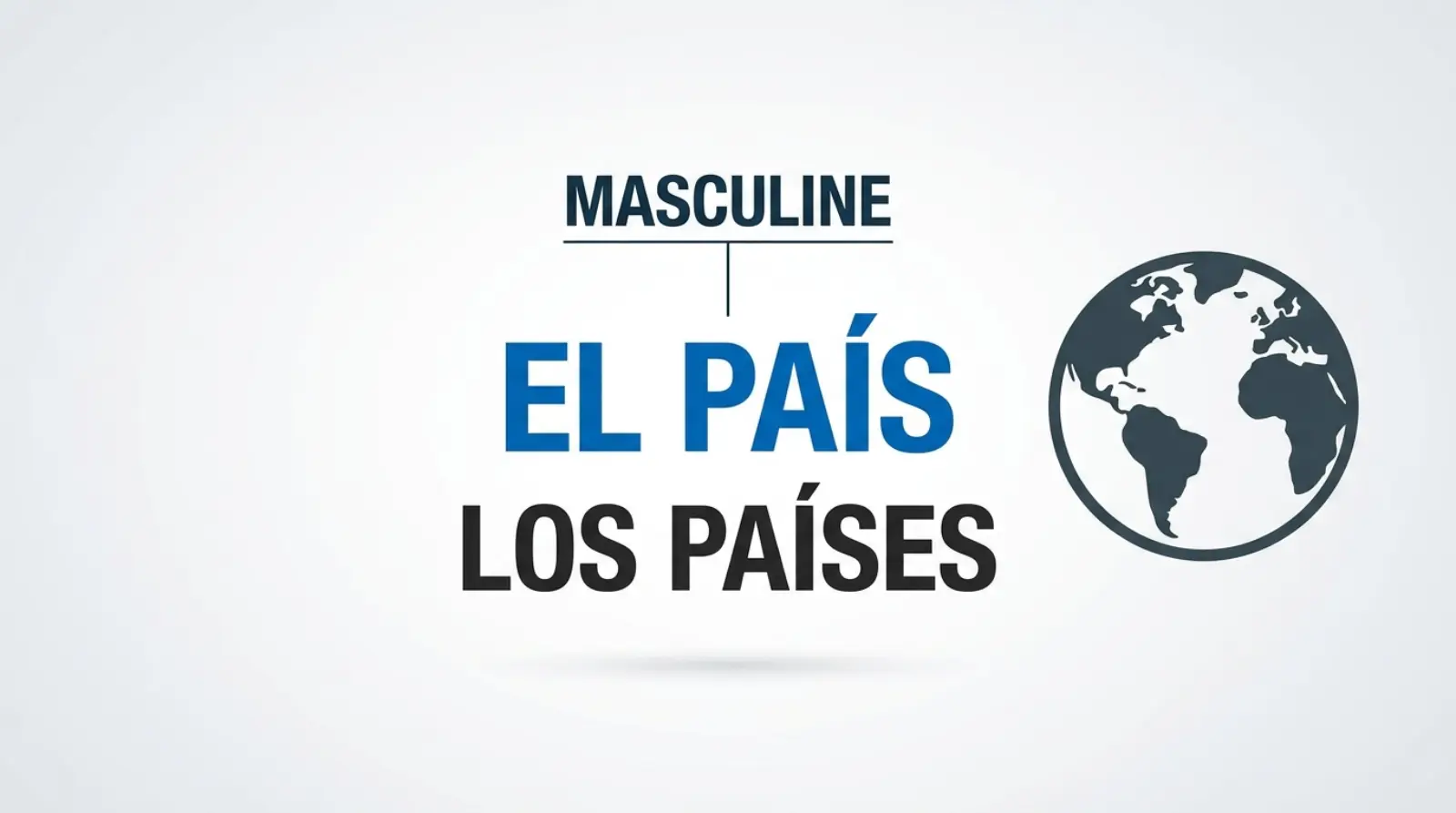
The correct answer is simple: país is masculine in Spanish. The correct form is el país, meaning “the country.” In the plural, it becomes los países, meaning “the countries.”
The accent mark is also important. The correct Spanish spelling is país, with an accent on the í. Writing pais without the accent is incorrect in standard Spanish when you mean “country.”
You may see this word in Spanish classes, travel websites, maps, news articles, social media posts, conversations, business documents, and everyday communication. Understanding its gender is especially important because the article and adjectives used with the noun must agree with it.
People usually search for:
- Is pais masculine or feminine?
- Is país masculine or feminine in Spanish?
- Is el país correct?
- What does país mean?
- How do you spell país?
- What is the plural of país?
- Why is país masculine?
- País pronunciation
- País examples in Spanish
- El país or la país?
The good news is that you only need to remember one basic rule: país is masculine, so use el, un, and masculine singular adjectives with it.
In this guide, you’ll learn the meaning, pronunciation, examples, usage, grammar rules, common mistakes, expert tips, and simple explanations in easy English.
IS PAIS MASCULINE OR FEMININE – QUICK ANSWER
País = masculine noun in Spanish.
The correct singular article is el: el país.
The indefinite article is un: un país.
The plural is los países: los países.
Examples
- El país es grande. = The country is large.
- Este país es hermoso. = This country is beautiful.
- Quiero visitar un país nuevo. = I want to visit a new country.
- Los países tienen diferentes culturas. = Countries have different cultures.
- Mi país es importante para mí. = My country is important to me.
Simple Rule
País is masculine → use EL, UN, and LOS in the normal singular/plural patterns.
👉 el país
👉 un país
👉 los países
👉 muchos países
Easy memory trick
Think:
PAÍS → EL PAÍS
If you see país, remember el, not la.
WHAT DOES PAÍS MEAN?
The Spanish word país means “country” in English.
It normally refers to a nation or geographical area with its own government, territory, population, and political identity.
For example:
España es un país europeo.
Spain is a European country.
México es un país de América del Norte.
Mexico is a country in North America.
Why is país masculine?
Spanish nouns have grammatical gender. A noun does not need to describe a male person to be masculine.
That means masculine does not mean “male” here. It is a grammatical category.
For example:
- el país — the country
- el libro — the book
- el problema — the problem
The word país is grammatically masculine, so words connected to it generally follow masculine agreement.
Synonyms and related words
Depending on context, related Spanish words include:
- nación — nation
- estado — state
- territorio — territory
- patria — homeland
- región — region
Be careful: these words do not all have the same meaning or grammatical gender.
For example:
la nación is feminine, while el país is masculine.
THE ORIGIN OF PAÍS
Spanish país comes through historical development from Old French païs, related to Latin pagensis, which referred to something connected with a region or district.
Over time, the word developed into the modern Spanish país, meaning a country or land.
The accent mark is part of modern Spanish spelling and pronunciation. It helps show that the vowels a and í belong to separate syllables:
pa-ís
This is why the accent is not simply decorative. It helps readers pronounce and understand the word correctly.
HOW TO PRONOUNCE PAÍS
The Spanish word país has two syllables:
pa-ís
The accented í receives the stress.
A simple pronunciation guide for English speakers is approximately:
pah-EES
The exact sound depends on the speaker’s Spanish accent.
Important pronunciation point
Do not treat país as one syllable.
❌ One-syllable pronunciation
✔ pa-ís
The accent mark tells you where the stress falls.
País vs pais
país = country
The accent is important in standard Spanish spelling.
For example:
Mi país es España.
My country is Spain.
BRITISH ENGLISH VS AMERICAN ENGLISH USAGE
Because país is a Spanish word, British and American English do not change its grammatical gender.
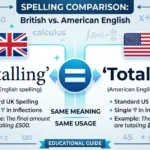
| Feature | British English | American English | Notes |
|---|---|---|---|
| Spanish word | país | país | Same spelling |
| Meaning | country | country | Same meaning |
| Gender | Masculine in Spanish | Masculine in Spanish | Gender belongs to Spanish grammar |
| Article | el país | el país | Same Spanish form |
| Plural | los países | los países | Same Spanish form |
| Accent | país | país | Accent should be retained in Spanish |
So whether you are learning Spanish in the UK, US, Canada, Australia, India, or Pakistan, the basic grammar rule is the same.
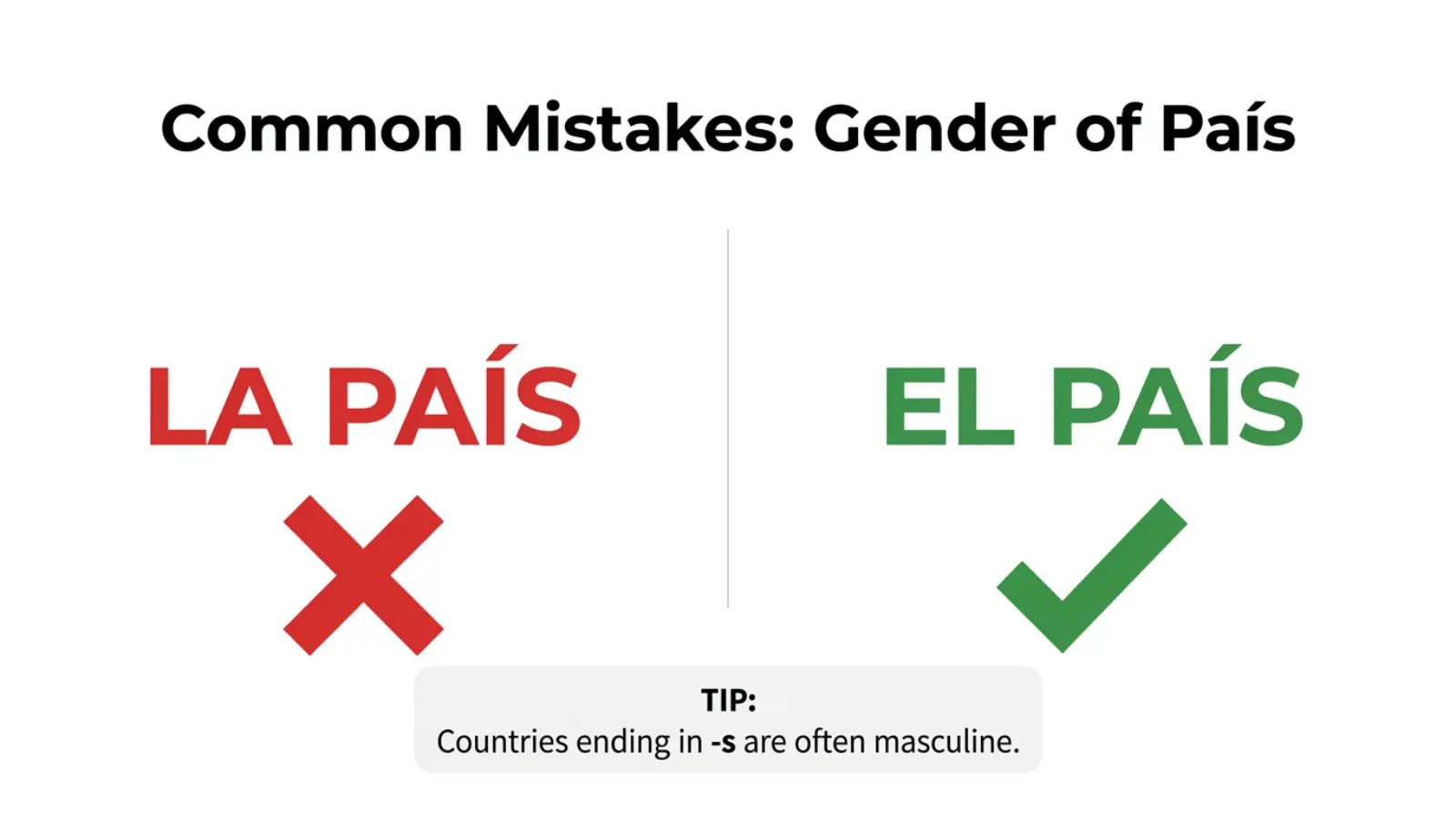
WHICH ONE SHOULD YOU USE: EL PAÍS OR LA PAÍS?
The correct choice is:
✅ el país
Not:
❌ la país
Mini usage table
| Spanish | Correct? | English |
|---|---|---|
| el país | ✅ | the country |
| un país | ✅ | a country |
| la país | ❌ | incorrect |
| una país | ❌ | incorrect |
| los países | ✅ | the countries |
| las países | ❌ | incorrect |
Examples
✅ El país tiene una historia interesante.
❌ La país tiene una historia interesante.
✅ Quiero conocer ese país.
❌ Quiero conocer esa país.
For formal writing, schoolwork, professional Spanish, travel writing, and academic Spanish, always use the standard form el país.
COMMON MISTAKES WITH IS PAIS MASCULINE OR FEMININE
Mistake 1: Using “la país”
❌ La país es grande.
✔ El país es grande.
Why: País is masculine.
Beginner tip: Memorize the word as a pair: el país.
Mistake 2: Using “una país”
❌ España es una país.
✔ España es un país.
Why: The indefinite article must agree with the masculine noun.
Mistake 3: Forgetting the accent
❌ pais
✔ país
Why: The standard Spanish spelling uses an accent on í.
Mistake 4: Using feminine adjectives
❌ El país es bonita.
✔ El país es bonito.
Why: When the adjective changes for gender, it normally agrees with masculine país.
Mistake 5: Using “las” with países
❌ Las países son diferentes.
✔ Los países son diferentes.
Why: The plural of masculine país takes los.
Mistake 6: Thinking masculine means male
❌ “País is masculine because a country is male.”
✔ “País is masculine because Spanish grammar assigns the noun masculine grammatical gender.”
This distinction is important for Spanish beginners.
PAÍS IN EVERYDAY EXAMPLES
At school
Mi país tiene muchas regiones.
My country has many regions.
At work
Nuestra empresa trabaja en varios países.
Our company works in several countries.
On social media
Estoy orgulloso de mi país.
I am proud of my country.
In daily conversation
¿De qué país eres?
What country are you from?
In an email
Nuestra empresa tiene clientes en diferentes países.
In a text message
¿De qué país eres? 😊
In online content
Los mejores países para viajar en verano
In conversation
A: ¿De qué país eres?
B: Soy de Canadá.
A: ¡Qué interesante! Nunca he visitado ese país.
PAÍS IN DIFFERENT CONTEXTS
Education
Spanish teachers often use país to teach grammatical gender and article agreement.
Students may learn:
el país
un país
este país
mi país
These examples show how masculine nouns work in Spanish.
Travel
You will frequently see país when discussing travel:
¿Qué países quieres visitar?
Which countries do you want to visit?
Business
Businesses may use the word when discussing international markets:
La empresa opera en cinco países.
The company operates in five countries.
Geography
In geography, país is used to discuss nations and political regions:
Francia es un país de Europa.
Social media
People may use país when talking about nationality, travel, culture, or where they live.
“¿De qué país eres?” is a very common conversational question.
Grammar learning
The word is especially useful for learning agreement:
el país grande
not:
la país grande
GOOGLE TRENDS & USAGE INTENT FOR “IS PAIS MASCULINE OR FEMININE”
People searching “is pais masculine or feminine” are usually Spanish learners looking for a quick grammar answer.
The search intent is strongly informational. A beginner may already know that país means “country” but may not know whether to use el or la.
Common long-tail searches include:
- Is país masculine or feminine in Spanish?
- Is el país masculine?
- Why is país masculine?
- Is país a masculine noun?
- Do you say el país or la país?
- What is the plural of país?
- How do you pronounce país?
- Does país have an accent?
- What does país mean in English?
- What article goes with país?
These questions can come from Spanish learners in the US, UK, India, Pakistan, Canada, and Australia, especially people studying beginner Spanish.
For voice search, people may ask:
“Is país masculine or feminine in Spanish?”
or:
“Do I say el país or la país?”
The shortest useful answer is:
País is masculine, so say el país.
COMPARISON TABLE: PAÍS GRAMMAR
| Form | Correct? | Meaning |
|---|---|---|
| el país | ✅ | the country |
| un país | ✅ | a country |
| este país | ✅ | this country |
| ese país | ✅ | that country |
| mi país | ✅ | my country |
| los países | ✅ | the countries |
| la país | ❌ | incorrect |
| una país | ❌ | incorrect |
| las países | ❌ | incorrect |
| el pais | ❌ in standard spelling | Missing accent |
One useful point is that mi does not show masculine or feminine by its form:
mi país = my country
But the noun is still masculine.
PAÍS IN PROFESSIONAL LIFE
Correct gender matters in professional Spanish because article and adjective agreement affects the quality of your writing.
For example:
El país tiene un mercado importante.
Here:
- el agrees with país
- un agrees with the masculine noun
- importante does not show a masculine/feminine ending in this form
In international business, tourism, education, government, journalism, and translation, correct Spanish grammar helps make communication clear and professional.
PAÍS FOR STUDENTS OR BEGINNERS
Beginners often struggle because they expect noun gender to follow a simple rule.
Many Spanish nouns ending in -o are masculine and many ending in -a are feminine, but this is only a general pattern. It is not a rule that works for every noun.
País ends in -s, so its ending does not immediately tell a beginner its gender.
The best approach is to learn the noun together with its article:
❌ país
✔ el país
This method works well for many Spanish nouns.
SIGNS, CHARACTERISTICS, AND COMMON USES OF PAÍS
You will commonly see país when discussing:
- countries
- nations
- geography
- nationality
- travel
- immigration
- international business
- politics
- culture
- history
- education
- international relations
- citizenship
- tourism
Common patterns include:
el país — the country
mi país — my country
otro país — another country
cada país — each country
varios países — several countries
muchos países — many countries
en el país — in the country
de mi país — from/of my country
SIMPLE TRICK TO REMEMBER PAÍS
Here is the easiest rule:
País = masculine
El país = the country
Los países = the countries
Think of it this way:
Don’t memorize just país.
Memorize the complete phrase:
EL PAÍS
Just as you might learn a vocabulary word with its meaning, learn its Spanish article at the same time.
el + país = the country
This makes it much easier to choose the correct article when speaking or writing.
EXPERT TIPS FOR LEARNING PAÍS
- Always learn nouns with their articles. Learn “el país,” not only “país.”
- Remember the accent. Standard Spanish uses país.
- Learn the plural separately: país → países.
- Practice article agreement: el país, un país, este país.
- Do not confuse grammatical gender with biological sex.
- Use real sentences instead of memorizing isolated words.
- Watch the accent when typing Spanish, especially in school or professional writing.
- Notice related words: nación is feminine (la nación), while país is masculine (el país).
RELATED SEARCHES PEOPLE ALSO ASK
Is país masculine or feminine in Spanish?
País is masculine. The standard form is el país.
Do you say el país or la país?
You say el país. The word is masculine.
What does país mean?
País means country in English.
What is the plural of país?
The plural is países, meaning countries.
Does país have an accent?
Yes. The standard spelling is país, with an accent on í.
Why does país have an accent?
The accent helps show the pronunciation and separates the two vowel sounds into different syllables: pa-ís.
Is “la país” ever correct?
No. In standard Spanish, país is masculine, so la país is incorrect.
Is “un país” correct?
Yes. Un país means “a country.”
Is “los países” correct?
Yes. Los países means “the countries.”
Does país change gender in the plural?
No. It remains masculine. The plural form is los países.
Is país masculine because it ends in a consonant?
Not necessarily. Spanish noun gender cannot always be predicted simply from the final letter. It is best to learn the gender with the noun.
FAQs ABOUT IS PAIS MASCULINE OR FEMININE
Is pais masculine or feminine?
País is masculine in Spanish. Use el país, not la país.
What is the correct spelling: pais or país?
The standard Spanish spelling is país, with an accent on the í.
How do you pronounce país?
It has two syllables: pa-ís, with the stress on í.
What is the feminine form of país?
There is no feminine form of the noun país. It is grammatically masculine.
Can I say “una país”?
No. Say un país.
Can I say “la país”?
No. Say el país.
What is the plural of el país?
The plural is los países.
Is “mi país” correct?
Yes. Mi país means “my country.”
Is “este país” correct?
Yes. Este país means “this country.”
Does grammatical gender mean a country is male?
No. Grammatical gender is a feature of Spanish grammar. It does not mean the country itself is male.
How can beginners remember país?
Learn it as a pair: el país = the country.
FINAL VERDICT
Is pais masculine or feminine?
👉 País is masculine.
The correct forms are:
- el país = the country
- un país = a country
- este país = this country
- mi país = my country
- los países = the countries
Also remember the accent:
✅ país
❌ pais in standard Spanish spelling
The easiest memory rule is:
PAÍS → EL PAÍS
CONCLUSION
If you are learning Spanish and wondering “is pais masculine or feminine?”, the answer is straightforward: país is a masculine Spanish noun.
Use el país, un país, and los países. Do not use la país, una país, or las países.
One more detail is worth remembering: the correct spelling is país, with an accent on the í. The accent also helps you pronounce the word correctly as two syllables: pa-ís.
The best beginner habit is to learn Spanish nouns with their articles. Instead of memorizing only país, memorize el país.
Final memory trick: If you see país, think “EL PAÍS.”

Camila Green is an English language writer who specializes in confusing word comparisons and spelling explanations. She creates simple, beginner-friendly guides on topics like “niece or neice” and other common English mistakes. Her writing focuses on clarity, real-life examples, and easy learning. At VerrsaPick, she helps readers improve their English with practical and engaging content.