
Have you ever stood in a grocery store, looked at a food label, and wondered whether it should say yoghurt or yogurt? Maybe you have seen both spellings online, in recipes, school books, or on social media. This is a common question for English learners because both words look correct, yet they are spelled differently.
People usually search for “yoghurt or yogurt,” “correct spelling,” “meaning,” “pronunciation,” “examples,” and “British vs American English.” The good news is that both spellings are correct. The only real difference is the type of English being used.
You’ll often see yoghurt in the UK, Australia, and New Zealand, while yogurt is much more common in the United States and Canada. No matter which spelling you choose, both refer to the same creamy dairy food made by fermenting milk with healthy bacteria.
Whether you’re writing a school assignment, a food blog, a restaurant menu, or simply texting a friend, knowing which spelling fits your audience can make your writing look more natural.
In this guide, you’ll learn the meaning, pronunciation, examples, usage, grammar rules, common mistakes, expert tips, and simple explanations in easy English.
Yoghurt or Yogurt – Quick Answer
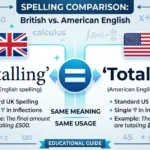
👉 Yoghurt = British English spelling.
👉 Yogurt = American English spelling.
Both words mean the same thing: a fermented dairy product made from milk and live cultures.
Examples
- ✅ I eat yoghurt every morning. (UK)
- ✅ I eat yogurt every morning. (US)
- ✅ Greek yogurt is high in protein.
- ✅ Strawberry yoghurt tastes delicious.
Simple Memory Trick
Think:
- UK → Yoghurt
- US → Yogurt

What Does Yoghurt or Yogurt Mean?
Yoghurt (or yogurt) is a soft, creamy food made by adding healthy bacteria to milk. These bacteria ferment the milk and give it a slightly sour taste and thick texture.
It is popular around the world because it is nutritious, contains calcium and protein, and may support digestive health.
Synonyms
- Cultured dairy
- Fermented milk
- Greek yogurt (specific type)
- Dairy snack
Related Terms
- Probiotics
- Kefir
- Dairy
- Greek yoghurt
- Frozen yogurt

The Origin of Yoghurt or Yogurt
The word comes from the Turkish word “yoğurt.” People have been making yogurt for thousands of years in Central Asia and the Middle East.
As English developed, different regions adopted different spellings.
- British English kept yoghurt.
- American English simplified it to yogurt.
Today, both spellings are accepted worldwide.
How to Pronounce Yoghurt or Yogurt
Pronunciation:
YOH-gurt
Phonetic:
/ˈjoʊɡərt/
Easy Speaking Tip
Say:
“Yo” + “gurt.”
The pronunciation stays almost the same regardless of spelling.
British English vs American English Usage
| Feature | British English | American English | Notes |
|---|---|---|---|
| Preferred spelling | Yoghurt | Yogurt | Both are correct |
| Meaning | Same | Same | No difference |
| Pronunciation | Nearly identical | Nearly identical | Minor accent changes |
| Formal writing | Yoghurt | Yogurt | Match your audience |
Which One Should You Use?
Choose the spelling based on who will read your writing.
| Situation | Best Choice |
|---|---|
| UK schools | Yoghurt |
| US schools | Yogurt |
| American websites | Yogurt |
| British blogs | Yoghurt |
| Social media | Either |
| Text messages | Either |
Tip: Stay consistent throughout your writing.

Common Mistakes With Yoghurt or Yogurt
Mistake 1
❌ I like yogurt and yoghurt equally in the same article.
✔ Use one spelling consistently.
Mistake 2
❌ Yoghurt
✔ Yogurt or Yoghurt
Mistake 3
❌ Thinking one spelling is wrong.
✔ Both spellings are correct.
Mistake 4
❌ Changing spellings halfway through a school paper.
✔ Pick one style and keep using it.
Mistake 5
❌ Assuming pronunciation changes.
✔ Both are pronounced almost the same.
Everyday Examples
Work
“Our office fridge has yogurt for everyone.”
School
“We learned how yoghurt is made in science class.”
Social Media
“My breakfast today: Greek yogurt with berries!”
Daily Life
“I buy plain yoghurt every weekend.”
“Please order more yogurt for tomorrow’s meeting.”
Conversation
“Would you like some yoghurt with fruit?”
Yoghurt or Yogurt in Different Contexts
Cooking
Recipes from the UK often use yoghurt, while American recipes usually say yogurt.
Health
Both spellings refer to the same healthy food rich in calcium, protein, and probiotics.
Marketing
Food brands often choose the spelling that matches their target country.
Education
English learners are taught that both spellings are correct depending on regional English.
Google Trends & Usage
People search for “yoghurt or yogurt” because they want to know which spelling is correct.
Searches are common in:
- United States
- United Kingdom
- Canada
- Australia
- India
- Pakistan
Popular searches include:
- yogurt vs yoghurt
- correct spelling yogurt
- British spelling of yogurt
- yogurt pronunciation
- Greek yogurt spelling
Comparison Table
| Feature | Yoghurt | Yogurt |
|---|---|---|
| Correct spelling | ✅ | ✅ |
| Meaning | Same | Same |
| English type | British | American |
| Pronunciation | Same | Same |
| Academic writing | UK | US |
| Business writing | UK | US |
| Common online usage | UK | US |
Yoghurt or Yogurt in Professional Life
Using the correct regional spelling makes your writing look more professional.
Examples:
- UK company → yoghurt
- US company → yogurt
- International audience → Choose one style and stay consistent.
For Students or Beginners
Many learners think one spelling is a mistake.
Remember:
- Both are correct.
- The difference is regional English.
- Follow the spelling style used by your teacher, school, or workplace.
Common Uses
People commonly use these words when talking about:
- Breakfast foods
- Healthy eating
- Recipes
- Grocery shopping
- Nutrition
- Dairy products
- Children’s meals
- Fitness diets
Simple Trick to Remember
Easy Memory Rule
GH = Great Britain
No GH = United States
Think of it this way:
- British English likes “gh” in yoghurt.
- American English keeps it shorter with yogurt.
Expert Tips
- Follow either British or American English consistently.
- Check your audience before choosing a spelling.
- Don’t mix both spellings in the same article.
- Use your spell checker according to your chosen English style.
- Remember that pronunciation stays almost identical.
Related Searches People Also Ask
- Is yogurt and yoghurt the same?
- Which spelling is correct?
- Why do Americans spell yogurt differently?
- Why does British English use yoghurt?
- How do you pronounce yogurt?
- Is Greek yogurt spelled differently?
- Is yoghurt healthier than yogurt?
- Can I use both spellings?
- Which spelling should students use?
- Is yogurt an American word?
FAQs
Is yoghurt or yogurt correct?
Both are correct. The spelling depends on the type of English.
Is yoghurt British?
Yes. Yoghurt is the preferred British spelling.
Is yogurt American?
Yes. Yogurt is the standard American spelling.
Do they mean different foods?
No. They refer to the same dairy product.
Which spelling should I use?
Use the spelling that matches your audience or country.
Is the pronunciation different?
No. Both are pronounced almost the same.
Can I mix both spellings?
It’s better to use one spelling consistently.
Which spelling is more common online?
Yogurt is more common because of American English, but yoghurt is widely used in many other countries.
Final Verdict
There is no winner between yoghurt and yogurt because both spellings are correct.
- Yoghurt = British English
- Yogurt = American English
The most important rule is to stay consistent throughout your writing.
Conclusion
The difference between yoghurt and yogurt is only the spelling, not the meaning. Both words describe the same healthy fermented dairy food enjoyed around the world. Whether you’re writing for school, work, recipes, or social media, simply choose the spelling that matches your audience.
Easy memory trick: “GH = Great Britain, No GH = America.” Once you remember this, you’ll always know which spelling to use.

Camila Green is an English language writer who specializes in confusing word comparisons and spelling explanations. She creates simple, beginner-friendly guides on topics like “niece or neice” and other common English mistakes. Her writing focuses on clarity, real-life examples, and easy learning. At VerrsaPick, she helps readers improve their English with practical and engaging content.