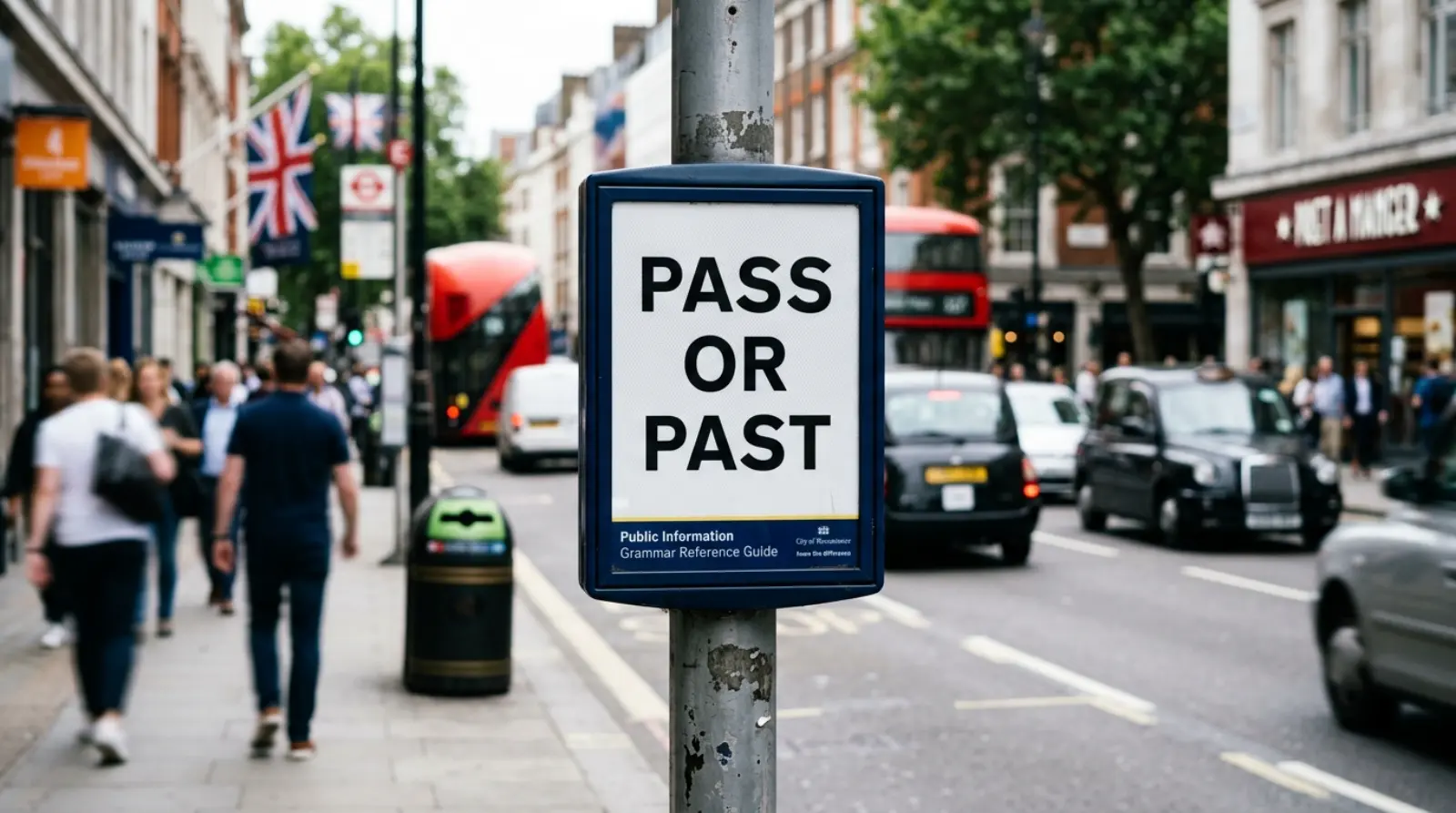
Have you ever written a sentence like “I walked pass the school” and wondered if it should be pass or past? If so, you’re not alone. Pass and past are two of the most commonly confused words in English because they look similar and are sometimes pronounced alike in everyday speech. However, they have different meanings and grammar rules.
People usually search for pass or past meaning, pass vs past difference, correct spelling, pronunciation, examples, and when to use pass or past because using the wrong word can make a sentence grammatically incorrect.
You’ll find these words everywhere—in school assignments, workplace emails, books, social media posts, text messages, and daily conversations. For example, you might pass an exam, but last year is in the past. You can also walk past a store or pass a ball to a friend.
The good news is that learning the difference is simple once you understand what each word does in a sentence.
In this guide, you’ll learn the meaning, pronunciation, examples, usage, grammar rules, common mistakes, expert tips, and simple explanations in easy English.
Pass or Past – Quick Answer
| Word | Meaning |
|---|---|
| Pass | To move by, succeed, hand something to someone, or complete something successfully. |
| Past | Gone by, earlier time, or beyond a particular place. |
Examples
- ✅ I hope I pass the test.
- ✅ We walked past the library.
- ✅ Please pass the salt.
- ✅ The past can teach us valuable lessons.
- ✅ She drove past my house.
Simple Rule
👉 Pass = Action
👉 Past = Time or Position
Easy Memory Trick
If someone is doing something, use pass.
If you’re talking about time or going beyond a place, use past.
What Does Pass or Past Mean?
Although these words are closely related, they serve different purposes in English.
Pass Meaning
Pass is usually a verb.
It means:
- Move by something
- Succeed in an exam
- Give something to another person
- Allow someone to go
Examples
- Please pass the water bottle.
- I want to pass my driving test.
- Cars pass this road every day.
Synonyms
- Move
- Go by
- Hand
- Transfer
- Succeed
Past Meaning
Past can be a noun, adjective, adverb, or preposition.
It refers to:
- Earlier time
- Gone by
- Beyond a place
Examples
- We walked past the bank.
- Leave the past behind.
- She looked past the crowd.
Synonyms
- Previous
- Earlier
- Former
- Gone by
Opposites
- Future
- Upcoming
- Next
- Present
The Origin of Pass or Past
Both words have interesting histories.
- Pass comes from the Old French word passer, meaning “to move through or go by.”
- Past developed from the past participle of pass, eventually becoming its own word that refers to previous time or position.
Today, each word has its own grammar role and meaning.
How to Pronounce Pass or Past
Pass
Pronunciation: pas
IPA: /pæs/
Past
Pronunciation: past
IPA: /pɑːst/ (British)
IPA: /pæst/ (American)
Speaking Tip
Say past with a clear “t” sound at the end.
British English vs American English Usage
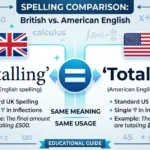
| Feature | British English | American English | Notes |
|---|---|---|---|
| Pass | Same spelling | Same spelling | No difference |
| Past | Same spelling | Same spelling | No difference |
| Pronunciation | Slightly longer vowel in British English | Shorter vowel | Meaning stays the same |
Which One Should You Use?
Use Pass when talking about:
- Passing an exam
- Passing a ball
- Passing a law
- Moving by
- Handing something to someone
Use Past when talking about:
- Previous years
- Earlier experiences
- Going beyond a place
- Time that has already happened
Quick Usage Table
| Situation | Correct Word |
|---|---|
| Succeed in a test | ✅ Pass |
| Last year | ✅ Past |
| Give someone a book | ✅ Pass |
| Walk beyond a building | ✅ Past |
| Move by another car | ✅ Pass |
Common Mistakes With Pass or Past
Mistake 1
❌ I walked pass the park.
✅ I walked past the park.
Why? You’re describing position.
Mistake 2
❌ I hope I past the exam.
✅ I hope I pass the exam.
Why? Pass is the action.
Mistake 3
❌ Can you past the salt?
✅ Can you pass the salt?
The verb is pass.
Mistake 4
❌ Forget the pass.
✅ Forget the past.
Past refers to previous time.
Mistake 5
❌ We drove pass the station.
✅ We drove past the station.
Past means beyond a place.
Pass or Past in Everyday Examples
School
“I studied hard so I could pass my exams.”
Work
“Our team must pass the safety inspection.”
Daily Life
“We walked past the supermarket.”
Social Media
“Don’t let your past stop your future.”
Emails
“Please pass this message to the manager.”
Conversations
“I drove past your house yesterday.”
Pass or Past in Different Contexts
Education
Students want to pass exams and improve their grades.
Business
Managers may pass important documents to employees.
Travel
You may drive past landmarks on your journey.
Writing and Grammar
Choosing the wrong word changes both grammar and meaning.
Personal Growth
Many motivational quotes encourage people to learn from the past without living in it.
Google Trends & Usage
The keyword pass or past remains popular because English learners often confuse these words.
Common searches include:
- Pass vs past
- Pass or past grammar
- Walk past or pass
- Pass meaning
- Past meaning
- Pass in a sentence
- Past examples
- Difference between pass and past
This topic is frequently searched in the United States, United Kingdom, India, Pakistan, Canada, and Australia.
Comparison Table: Pass vs Past
| Feature | Pass | Past |
|---|---|---|
| Part of Speech | Mainly verb | Noun, adjective, adverb, preposition |
| Meaning | Move, hand over, succeed | Earlier time or beyond |
| Pronunciation | Pass | Past |
| Grammar Role | Action | Time or location |
| Common Confusion | High | High |
| Professional Usage | Very common | Very common |
Pass or Past in Professional Life
Using these words correctly improves your writing.
Examples:
- Please pass the report to the finance team.
- We reviewed sales from the past year.
- Employees must pass the training course.
- Learn from past mistakes to improve future results.
Pass or Past for Students
Many students mix these words because they look alike.
Easy Tips
- Pass = Do something.
- Past = Time already gone or beyond.
- Read the whole sentence before choosing.
- Ask yourself if the word shows an action or describes time/place.
Common Uses of Pass and Past
Pass
- Pass an exam
- Pass the ball
- Pass a law
- Pass a message
- Pass by someone
Past
- Past experiences
- Past year
- Past mistakes
- Walk past
- Look past differences
Simple Trick to Remember Pass or Past
Think of it this way:
- Pass has an action.
- Past has time.
Memory shortcut:
Pass = Perform
Past = Previous
Expert Tips
- Identify whether the word is an action or a description.
- If someone is doing something, use pass.
- If you’re talking about time or location, use past.
- Proofread carefully because spell check may not catch this mistake.
- Practice with short sentences until the difference becomes natural.
Related Searches People Also Ask
- What is the difference between pass and past?
- Is it pass by or past by?
- How do you use pass in a sentence?
- How do you use past correctly?
- Is past a verb?
- Why do people confuse pass and past?
- Can past describe time?
- What does pass mean in grammar?
- How can I remember pass vs past?
- Is it walked past or walked pass?
FAQs
Is it “walked pass” or “walked past”?
Walked past is correct.
Is pass a verb?
Yes. It usually describes an action.
Can past be a noun?
Yes. It can refer to previous time.
Is it pass an exam or past an exam?
Pass an exam is correct.
Why are pass and past confusing?
Because they look and sound similar but have different meanings.
Is “past year” correct?
Yes. It means the previous year.
Can I say “pass the salt”?
Yes. It means hand the salt to someone.
How do I remember the difference?
Remember: Pass = Action. Past = Previous time or beyond.
Final Verdict
Here’s the simple answer:
- Pass means to move, hand over, or succeed.
- Past refers to earlier time or beyond a place.
The easiest memory rule is:
Pass = Perform an action
Past = Previous time
Conclusion
Understanding pass or past is easier than many learners think. The key is to remember that pass is usually an action, while past describes time or position. Whether you’re writing an email, taking an exam, or speaking in everyday conversations, using the correct word will make your English clearer and more natural.
A final memory trick: If you can replace the word with “do” or “move,” use pass. If you can replace it with “earlier” or “beyond,” use past.

Camila Green is an English language writer who specializes in confusing word comparisons and spelling explanations. She creates simple, beginner-friendly guides on topics like “niece or neice” and other common English mistakes. Her writing focuses on clarity, real-life examples, and easy learning. At VerrsaPick, she helps readers improve their English with practical and engaging content.