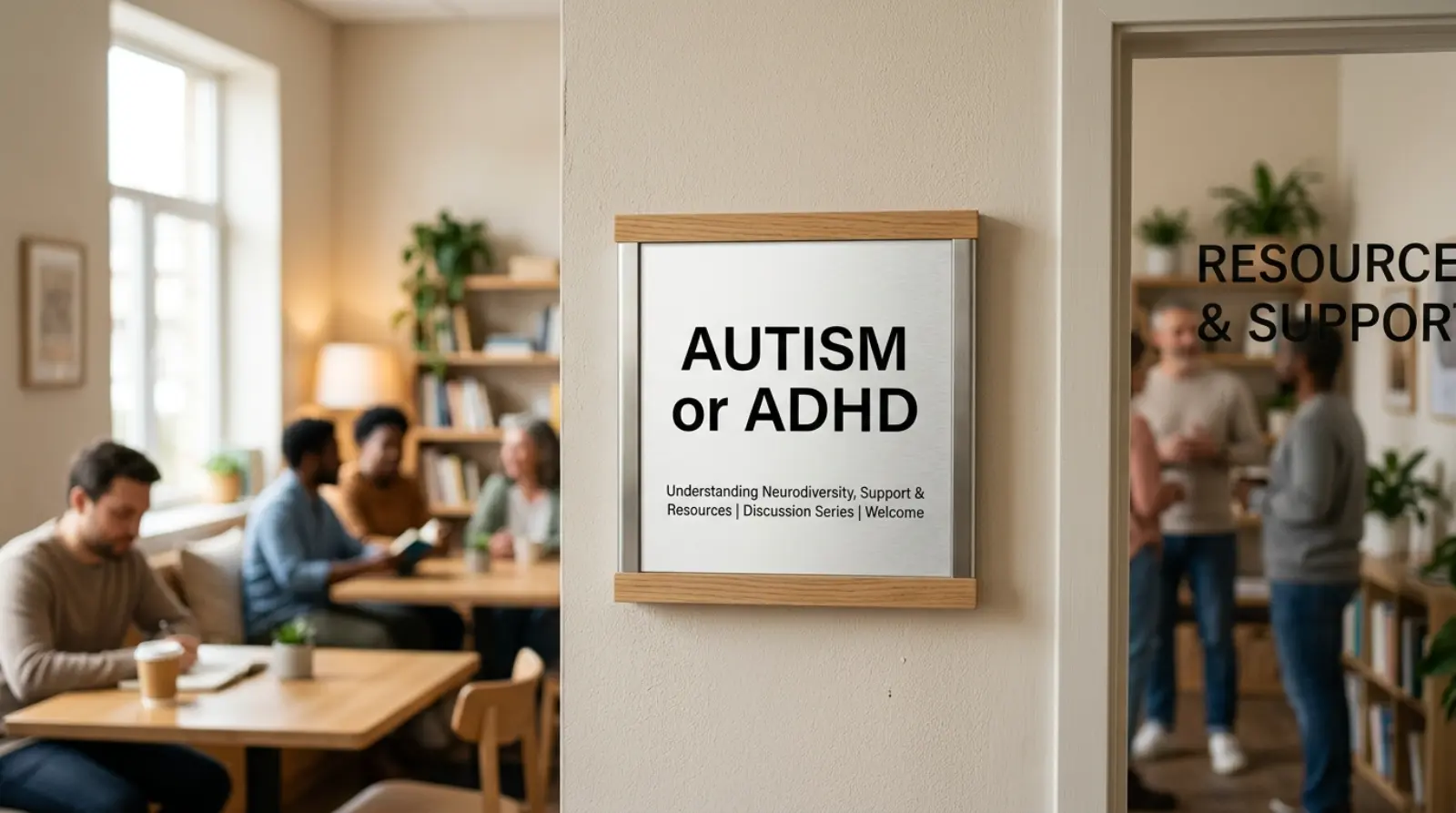
Many people search for “autism or ADHD” because the two conditions can look similar. A child may have trouble paying attention, struggle in school, or find social situations difficult. An adult may wonder why they think or behave differently. This often leads to questions like: Is it autism or ADHD? Can someone have both? How are they different?
You may hear these terms at school, work, on social media, in healthcare, or during everyday conversations. While autism and ADHD share some traits, they are different neurodevelopmental conditions with unique characteristics. Understanding these differences can help people seek the right support and reduce misunderstandings.
People usually search for:
- Autism or ADHD differences
- Autism vs ADHD symptoms
- Can you have autism and ADHD?
- Autism meaning
- ADHD meaning
- Signs of autism or ADHD
In this guide, you’ll learn the meaning, pronunciation, symptoms, similarities, differences, common mistakes, expert tips, and simple explanations in easy English.
Autism or ADHD – Quick Answer
👉 Autism = A neurodevelopmental condition that mainly affects social communication, behavior, and sensory processing.
👉 ADHD = Attention-Deficit/Hyperactivity Disorder, a neurodevelopmental condition that mainly affects attention, impulse control, and activity levels.
Key Difference
- Autism mainly affects how a person communicates, interacts, and experiences the world.
- ADHD mainly affects focus, organization, self-control, and managing attention.
Examples
- A child with autism may prefer routines and have strong interests.
- A child with ADHD may struggle to sit still or stay focused.
- Some people have both autism and ADHD.
Easy Memory Trick
Autism = Social communication and sensory differences.
ADHD = Attention and hyperactivity differences.
What Does Autism or ADHD Mean?
Autism
Autism, also called Autism Spectrum Disorder (ASD), is a lifelong neurodevelopmental condition. Every autistic person is different. Some need a lot of support, while others need very little.
Common traits include:
- Differences in social communication
- Preference for routines
- Repetitive behaviors
- Sensory sensitivities
- Deep interests in certain topics
ADHD
ADHD stands for Attention-Deficit/Hyperactivity Disorder.
People with ADHD may experience:
- Trouble paying attention
- Being easily distracted
- Impulsive decisions
- Forgetfulness
- Hyperactivity or restlessness
Related Terms
- Autism Spectrum Disorder (ASD)
- Neurodiversity
- Executive functioning
- Hyperactivity
- Inattention
- Sensory processing
The Origin of Autism and ADHD
The word autism comes from the Greek word autos, meaning “self.”
The term ADHD became widely used in modern medicine to describe challenges with attention, impulsivity, and hyperactivity. Today, both autism and ADHD are recognized worldwide as neurodevelopmental conditions.
How to Pronounce Autism and ADHD
Autism
AW-tiz-um
ADHD
A-D-H-D
People usually say each letter separately.
British English vs American English Usage
| Feature | British English | American English | Notes |
|---|---|---|---|
| Autism | Same | Same | No spelling difference |
| ADHD | Same | Same | Same medical term |
| Pronunciation | Slight accent difference | Slight accent difference | Meaning stays the same |
Which One Should You Use?
Use autism when discussing Autism Spectrum Disorder.
Use ADHD when discussing attention, impulsivity, or hyperactivity challenges.
Remember:
- They are not the same condition.
- A person can have autism, ADHD, or both.
Common Mistakes About Autism or ADHD
Mistake 1
❌ Autism and ADHD are the same.
✔ They are different conditions.
Mistake 2
❌ Everyone with autism has ADHD.
✔ Some people have both, but many do not.
Mistake 3
❌ ADHD only affects children.
✔ ADHD can continue into adulthood.
Mistake 4
❌ All autistic people avoid social interaction.
✔ Social experiences vary greatly from person to person.
Mistake 5
❌ ADHD means someone is lazy.
✔ ADHD affects attention and executive functioning—it is not laziness.
Autism or ADHD in Everyday Examples
School
A student with ADHD may lose homework often.
A student with autism may prefer a predictable classroom routine.
Workplace
Someone with ADHD may need reminders and planning tools.
Someone with autism may perform well with clear instructions and structured tasks.
Daily Life
Different supports help different people succeed.
Autism or ADHD in Different Contexts
Education
Teachers may use different learning strategies depending on the student’s needs.
Workplace
Reasonable accommodations can improve productivity and comfort.
Healthcare
Doctors use detailed evaluations to diagnose autism or ADHD.
Family Life
Understanding the condition helps families provide better support.
Google Trends and Search Interest
Searches for autism or ADHD continue to grow because more people want reliable information and better awareness.
Popular searches include:
- Autism vs ADHD
- Autism and ADHD together
- ADHD symptoms in adults
- Autism symptoms in children
- Difference between autism and ADHD
Interest is especially high in the United States, United Kingdom, Canada, Australia, India, and Pakistan.
Comparison Table: Autism vs ADHD
| Feature | Autism | ADHD |
|---|---|---|
| Main Challenge | Social communication and sensory processing | Attention and impulse control |
| Hyperactivity | Sometimes | Common |
| Focus | Often intense on interests | Often easily distracted |
| Routine | Usually prefers routines | May struggle with routines |
| Can Occur Together | Yes | Yes |
Autism or ADHD in Professional Life
Adults with autism or ADHD can succeed in many careers.
Helpful workplace supports include:
- Clear communication
- Written instructions
- Flexible work methods
- Quiet workspaces
- Time management tools
Many successful professionals have autism, ADHD, or both.
Autism or ADHD for Students or Beginners
If you’re learning about these conditions, remember:
- Autism and ADHD are different.
- Neither condition defines a person’s abilities.
- Every individual has unique strengths and challenges.
Simple Trick to Remember Autism or ADHD
Think of it this way:
- Autism is mainly about communication, social interaction, routines, and sensory experiences.
- ADHD is mainly about attention, impulsivity, and managing activity levels.
Both involve differences in how the brain works, but they are not the same.
Expert Tips
- Avoid making assumptions based on one behavior.
- Every autistic or ADHD person is unique.
- A proper diagnosis should be made by a qualified healthcare professional.
- Focus on strengths as well as challenges.
Related Searches People Also Ask
- What is the difference between autism and ADHD?
- Can someone have autism and ADHD?
- Which is harder, autism or ADHD?
- What are ADHD symptoms?
- What are autism symptoms?
- Is ADHD part of autism?
- Can adults have ADHD?
- Can adults have autism?
- How is autism diagnosed?
- How is ADHD diagnosed?
FAQs
What is the main difference between autism and ADHD?
Autism mainly affects social communication and sensory experiences, while ADHD mainly affects attention and impulse control.
Can someone have both autism and ADHD?
Yes. Some people are diagnosed with both conditions.
Are autism and ADHD lifelong conditions?
Yes, both are lifelong neurodevelopmental conditions, although support needs may change over time.
Does ADHD affect intelligence?
No. ADHD does not determine intelligence.
Can autistic people have successful careers?
Yes. Many autistic people thrive in education, business, technology, science, and the arts.
Is ADHD only about being hyper?
No. Some people mainly struggle with attention rather than hyperactivity.
Who can diagnose autism or ADHD?
A qualified healthcare professional, such as a psychologist, psychiatrist, pediatrician, or other trained clinician.
Can treatment help?
Yes. Support, therapy, educational strategies, and, for ADHD, medication in some cases can help many people manage daily challenges.
Final Verdict
When comparing autism or ADHD, remember they are different neurodevelopmental conditions with some overlapping traits. Autism mainly affects social communication and sensory experiences, while ADHD mainly affects attention, organization, and impulse control. Some people have one condition, and some have both.
Conclusion
Understanding the difference between autism or ADHD helps reduce confusion and promotes better support. Neither condition is “better” or “worse”—they simply affect people in different ways. If you or someone you know has ongoing challenges with attention, communication, or daily functioning, seeking an evaluation from a qualified healthcare professional is the best next step.
Easy Memory Trick: Autism = communication and sensory differences. ADHD = attention and impulse control.

Camila Green is an English language writer who specializes in confusing word comparisons and spelling explanations. She creates simple, beginner-friendly guides on topics like “niece or neice” and other common English mistakes. Her writing focuses on clarity, real-life examples, and easy learning. At VerrsaPick, she helps readers improve their English with practical and engaging content.