
Have you ever typed lovable and noticed your spell checker suggesting loveable, or the other way around? You’re not alone. Many English learners, students, writers, and even native speakers wonder which spelling is correct. Since both words appear online, in books, and on social media, it’s easy to become confused.
People usually search for lovable or loveable meaning, correct spelling, pronunciation, examples, usage, and grammar difference. They often want to know if one spelling is American English and the other is British English, or if one is simply wrong.
The good news is that both lovable and loveable are correct spellings. However, lovable is the preferred and more common spelling in modern English. Most dictionaries, schools, publishers, and style guides recommend lovable, while loveable is an accepted alternative that appears less often.
You may see these words in books, greeting cards, social media posts, workplace writing, school assignments, and everyday conversations. They describe someone or something that is easy to love because of their personality, kindness, charm, or behavior.
In this guide, you’ll learn the meaning, pronunciation, examples, usage, grammar rules, common mistakes, expert tips, and simple explanations in easy English.
Lovable or Loveable – Quick Answer
👉 Lovable = The standard and preferred spelling meaning “easy to love.”
👉 Loveable = A correct but less common alternative spelling with the same meaning.
Examples
- ✅ She has a lovable personality.
- ✅ The puppy is very lovable.
- ✅ His lovable smile makes everyone happy.
- ✅ The character is loveable and kind.
Simple Rule
Use lovable in school, work, blogs, and professional writing. Loveable is acceptable but less common.
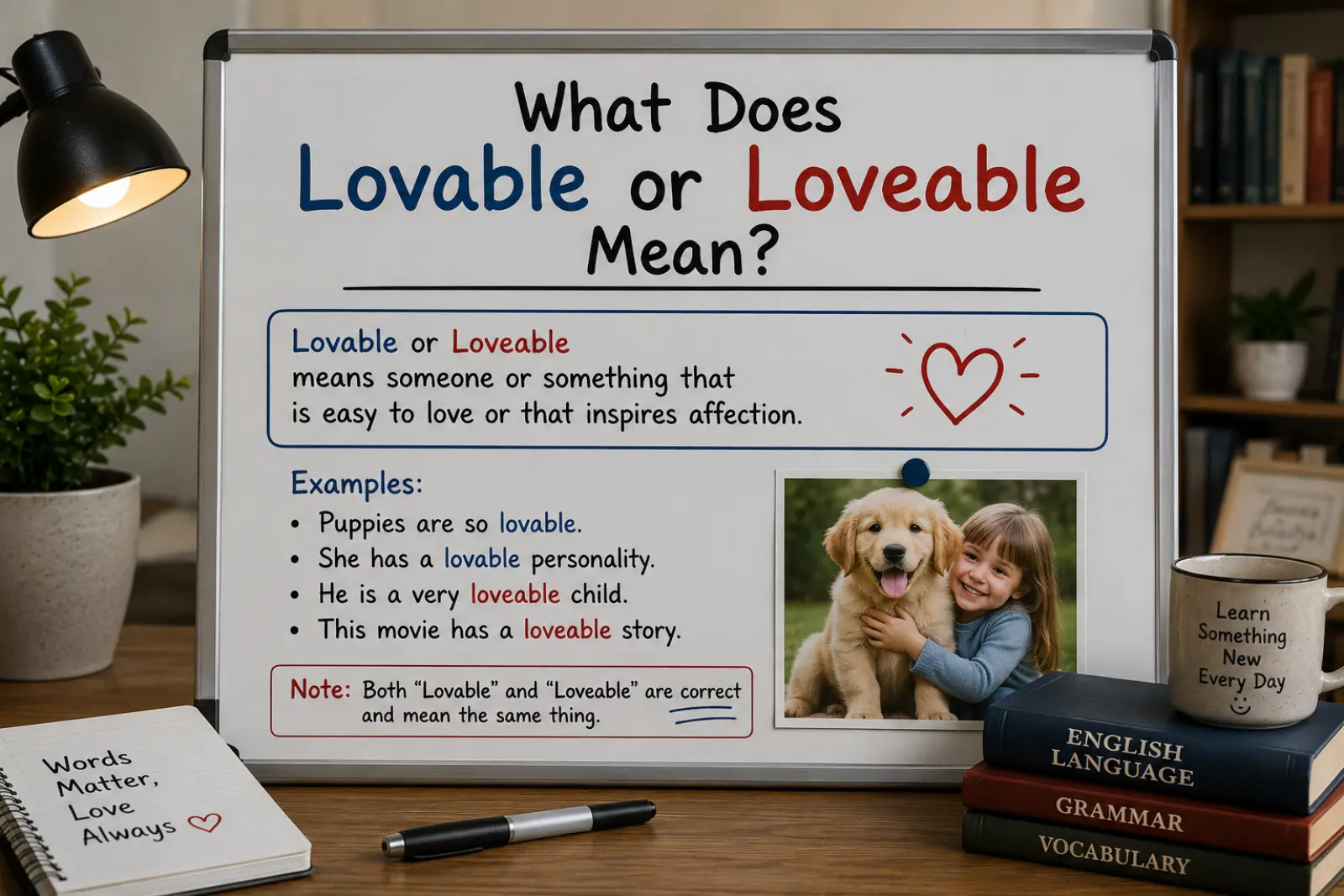
What Does Lovable or Loveable Mean?
Both words describe a person, animal, or thing that naturally makes others feel affection.
Someone who is lovable is:
- Kind
- Friendly
- Warm
- Charming
- Easy to admire
Synonyms
- Adorable
- Charming
- Sweet
- Delightful
- Endearing
- Affectionate
Opposites
- Unfriendly
- Mean
- Unpleasant
- Unlovable
Related Terms
- Lovely
- Loving
- Beloved
- Affection
- Kind-hearted
The Origin of Lovable
The word comes from the verb love combined with the suffix -able, meaning “able to be loved.”
Although loveable has existed for many years, language experts and modern dictionaries now usually recommend the shorter spelling lovable.
How to Pronounce Lovable
Pronunciation: LUV-uh-bul
Phonetic: /ˈlʌvəbəl/
Easy Speaking Tip
Break it into three parts:
Love + uh + bul
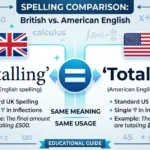
British English vs American English
| Feature | British English | American English | Notes |
|---|---|---|---|
| Preferred spelling | Lovable | Lovable | Standard spelling |
| Alternative | Loveable | Loveable | Less common |
| Pronunciation | Same | Same | No major difference |
Which One Should You Use?
Choose lovable when writing:
- School assignments
- Business emails
- Articles
- Books
- Websites
- Professional documents
Use loveable only if:
- You’re following a publisher’s preferred style.
- You’re quoting original text.
| Situation | Best Choice |
| Academic writing | Lovable |
| Workplace | Lovable |
| Social media | Either |
| Professional writing | Lovable |
How to Be a Lovable Person
Being a lovable person is not about trying to please everyone or being perfect. It is about developing qualities that make people feel respected, valued, and comfortable around you. Kindness, honesty, empathy, and a positive attitude are traits that naturally attract others and help build meaningful relationships.
Be Kind Every Day
Kindness is one of the easiest ways to become more lovable. Small acts of kindness, such as offering help, smiling, or saying thank you, can leave a lasting impression on others.
Examples:
- Hold the door open for someone.
- Offer help without expecting anything in return.
- Use polite and respectful language.
Listen More Than You Speak
People enjoy being around someone who truly listens. Give others your full attention instead of thinking about what you will say next.
Good listening habits include:
- Maintaining eye contact.
- Avoiding interruptions.
- Asking thoughtful follow up questions.
- Showing genuine interest in what others share.
Be Honest and Trustworthy
Trust is the foundation of every healthy relationship. Be honest with your words and actions, and keep your promises whenever possible.
People are more likely to appreciate someone who is reliable and sincere.
Show Empathy
Empathy means understanding and caring about how other people feel. Instead of judging someone, try to see the situation from their perspective.
Ways to show empathy:
- Acknowledge another person’s feelings.
- Offer support during difficult times.
- Celebrate their successes.
Stay Positive
A positive attitude makes you more enjoyable to be around. This does not mean ignoring problems. Instead, try to focus on solutions and encourage others.
People often remember those who bring hope and optimism into conversations.
Respect Everyone
Treat everyone with respect, regardless of their age, job, or background. Respectful behavior shows maturity and helps create stronger connections.
Simple ways to show respect include:
- Being polite.
- Respecting personal boundaries.
- Valuing different opinions.
Be Yourself
Trying to pretend to be someone else can make relationships feel unnatural. People appreciate authenticity more than perfection.
Accept your strengths and weaknesses, and let your personality shine.
Practice Gratitude
Grateful people often create a positive atmosphere around them. Express appreciation for the people and opportunities in your life.
Simple phrases like “Thank you,” or “I appreciate your help,” can strengthen relationships.
Support Others
Be there for friends, family, and coworkers when they need encouragement or assistance. Offering emotional support helps build lasting trust.
Keep Learning and Growing
A lovable person is willing to improve and learn from mistakes. Developing better communication skills, emotional intelligence, and patience can make your relationships even stronger.
Common Mistakes
Mistake 1
❌ She is very loveable. (Not wrong, but less preferred.)
✅ She is very lovable.
Mistake 2
❌ Lovable and loveable have different meanings.
✅ Both spellings mean exactly the same thing.
Mistake 3
❌ Loveable is incorrect.
✅ It is correct but less common.
Mistake 4
❌ Only British English uses loveable.
✅ Both forms appear in British and American English.
Mistake 5
❌ Lovable only describes people.
✅ It can describe pets, characters, toys, and many other things.

Lovable or Loveable in Everyday Examples
School
“Our teacher is kind and lovable.”
Workplace
“She has a lovable personality that makes teamwork easy.”
Social Media
“That puppy is absolutely lovable!”
Daily Life
“The baby gave everyone a lovable smile.”
“Thank you for your lovable kindness.”
Conversation
“He’s one of the most lovable people I’ve ever met.”
What Makes You Feel Lovable?
Feeling lovable comes from knowing that you are valued, accepted, and appreciated for who you are. While love and support from others can strengthen this feeling, lasting self-worth also grows from how you treat yourself. Healthy relationships, self-respect, and meaningful connections all play an important role in helping you feel lovable.
Accepting Yourself
Self-acceptance is one of the strongest foundations of feeling lovable. Everyone has strengths and weaknesses, and accepting both can improve confidence and emotional well-being.
Ways to practice self-acceptance:
- Focus on your positive qualities.
- Learn from mistakes instead of dwelling on them.
- Avoid comparing yourself to others.
Receiving Kindness and Respect
People often feel more lovable when they are treated with kindness, respect, and understanding. Being around supportive family members, friends, or coworkers can reinforce a sense of belonging.
Examples include:
- Someone listening to you without judgment.
- Receiving sincere compliments.
- Feeling appreciated for your efforts.
Building Healthy Relationships
Strong relationships are based on trust, honesty, communication, and mutual respect. Spending time with people who care about you can help you feel valued and connected.
Healthy relationships often include:
- Open communication.
- Emotional support.
- Encouragement during difficult times.
- Shared laughter and positive experiences.
Practicing Self-Care
Taking care of your physical and mental well-being sends a message that you value yourself. Self-care can improve confidence and create a more positive self-image.
Examples of self-care:
- Getting enough sleep.
- Eating nutritious meals.
- Exercising regularly.
- Taking time to relax and recharge.
Helping Others
Acts of kindness can increase feelings of connection and purpose. Helping others often strengthens relationships and reminds you that your actions make a positive difference.
Simple examples:
- Volunteering in your community.
- Supporting a friend.
- Offering encouragement to someone in need.
Celebrating Your Achievements
Recognizing your progress, even in small ways, helps build self-confidence. Instead of waiting for others to praise you, take time to appreciate your own efforts and accomplishments.
Expressing Gratitude
Gratitude can shift your focus toward the positive aspects of life. Appreciating supportive people and meaningful experiences can strengthen feelings of happiness and connection.
Setting Healthy Boundaries
Feeling lovable does not mean trying to please everyone. Setting healthy boundaries protects your well-being and helps you build respectful relationships where your needs also matter.
Lovable in Different Contexts
Literature
Authors use lovable to describe heroes and memorable characters.
Movies and TV
Many family films include lovable characters that audiences enjoy.
Marketing
Brands often describe mascots or products as lovable to build an emotional connection.
Everyday Communication
Parents, teachers, friends, and pet owners commonly use the word in daily conversations.
Google Trends & Usage Data
People search for this keyword because they notice two spellings online.
Lovable is much more common in dictionaries, news articles, educational websites, and books.
Loveable still appears in blogs, social media, older publications, and some company branding.
Searches come from the United States, United Kingdom, Canada, Australia, India, and Pakistan, especially from students and English learners.
Comparison Table
| Feature | Lovable | Loveable |
| Correct spelling | ✅ Yes | ✅ Yes |
| Dictionary preference | ⭐ Preferred | Alternative |
| Meaning | Same | Same |
| Pronunciation | Same | Same |
| Professional writing | Recommended | Less common |
| Academic writing | Preferred | Rare |
| Popularity | Higher | Lower |
Lovable in Professional Life
In business writing, marketing, education, and publishing, lovable is the safer choice because it matches most dictionaries and style guides.
Using the preferred spelling also makes your writing look more polished and consistent.
For Students and Beginners
Many learners think only one spelling is correct.
Remember:
- Lovable = Most common
- Loveable = Also correct
Choosing lovable will be the right choice in almost every situation.
Common Uses
People use lovable to describe:
- Friendly people
- Cute pets
- Fictional characters
- Children
- Cartoon mascots
- Romantic partners
- Family members
Simple Trick to Remember
Think of lovable as the shorter and more modern spelling.
Memory Tip:
“Less letters, more common.”
If you’re unsure, choose lovable.
Expert Tips
- Use lovable for blogs, websites, and business writing.
- Stay consistent with one spelling throughout your content.
- Check your company’s style guide if writing professionally.
- Remember that both spellings have the same meaning.
Related Searches People Also Ask
People also search for:
- Is lovable correct?
- Is loveable a real word?
- Lovable vs loveable difference
- How do you spell lovable?
- What does lovable mean?
- Lovable pronunciation
- Is loveable British English?
- Lovable synonyms
- Can pets be lovable?
- Which spelling do dictionaries recommend?
FAQs
Is lovable the correct spelling?
Yes. It is the preferred modern spelling.
Is loveable wrong?
No. It is an accepted alternative.
Do both words have the same meaning?
Yes. They both mean “easy to love.”
Which spelling is more popular?
Lovable is far more common today.
Is lovable used in professional writing?
Yes. It is the recommended spelling.
How do you pronounce lovable?
It is pronounced LUV-uh-bul.
Can I use loveable?
Yes, but lovable is usually the better choice.
Which spelling should students learn?
Students should learn and use lovable.
Final Verdict
Both lovable and loveable are correct English spellings. However, lovable is the standard spelling used by most dictionaries, publishers, schools, and businesses. If you’re unsure, lovable is almost always the safest choice.
Conclusion
The confusion between lovable and loveable is understandable because both spellings are accepted. Still, lovable is the spelling you’ll see most often in modern English. Whether you’re writing an email, school paper, blog post, or social media caption, using lovable helps keep your writing clear and professional. An easy way to remember is: “Lovable is shorter, simpler, and more popular.”

Camila Green is an English language writer who specializes in confusing word comparisons and spelling explanations. She creates simple, beginner-friendly guides on topics like “niece or neice” and other common English mistakes. Her writing focuses on clarity, real-life examples, and easy learning. At VerrsaPick, she helps readers improve their English with practical and engaging content.