
Many people search for “miscarriage or period” because the early signs can sometimes feel similar. Both can involve bleeding, cramps, and discomfort, making it difficult to know what is happening—especially if you recently found out you were pregnant or think you might be.
This question often comes up after a missed period, a positive pregnancy test, or unexpected heavy bleeding. It is common to feel worried or confused, and looking for clear, simple information is a good first step. While some symptoms overlap, a miscarriage and a menstrual period are not the same. Understanding the differences can help you know when to seek medical care.
People usually search for:
- Miscarriage or period differences
- Early miscarriage symptoms
- Heavy period vs miscarriage
- Miscarriage bleeding
- Period after positive pregnancy test
- How to tell if it was a miscarriage
In this guide, you’ll learn the meaning, symptoms, differences, examples, common mistakes, expert tips, and simple explanations in easy English.
Miscarriage or Period – Quick Answer
👉 Period = Normal monthly shedding of the uterine lining when pregnancy has not occurred.
👉 Miscarriage = The loss of a pregnancy before 20 weeks.
Key Difference
- A period is a normal part of the menstrual cycle.
- A miscarriage happens during a pregnancy and often involves pregnancy tissue as well as bleeding.
Common Examples
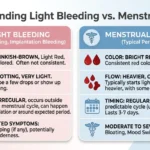
- A regular period usually lasts 3–7 days.
- A miscarriage may involve heavier bleeding, larger clots, stronger cramps, and passing pregnancy tissue.
- Some early miscarriages can look very similar to a heavy period.
Easy Memory Trick
Period = No pregnancy.
Miscarriage = Pregnancy loss.
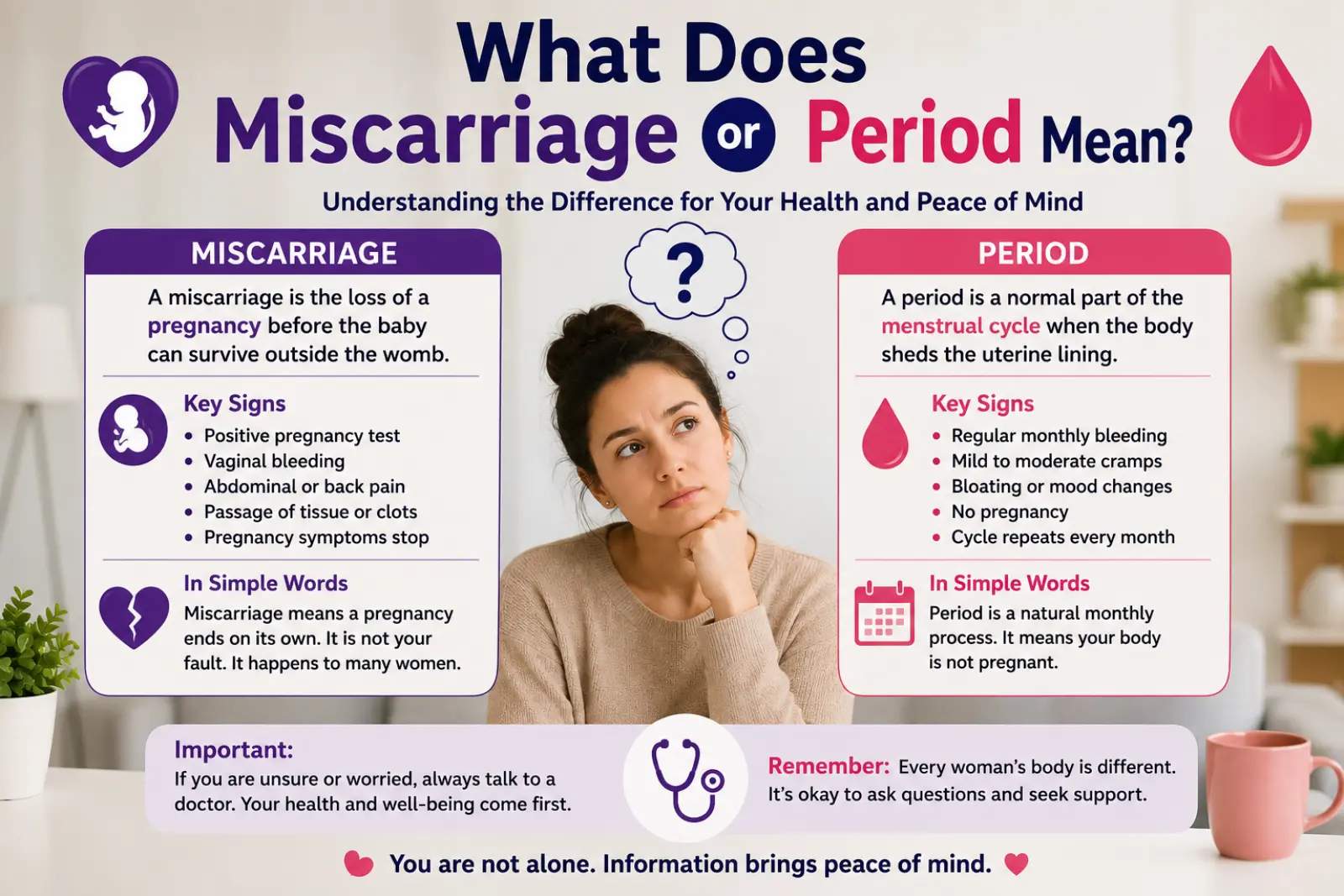
What Does Miscarriage or Period Mean?
Period
A menstrual period is monthly bleeding that occurs when pregnancy has not happened. It is a normal part of the reproductive cycle.
Common signs include:
- Bleeding
- Mild to moderate cramps
- Mood changes
- Bloating
Miscarriage
A miscarriage is the loss of a pregnancy before 20 weeks. It is common, especially during the first trimester, and usually happens because the pregnancy is not developing normally. In most cases, it is not caused by anything the pregnant person did or did not do.
Related Terms
- Pregnancy loss
- Menstrual cycle
- Vaginal bleeding
- Pregnancy tissue
- First trimester
The Origin of the Terms
The word period refers to the recurring menstrual cycle.
The word miscarriage has been used for centuries to describe a pregnancy that ends naturally before it can continue to full term.
How to Pronounce Miscarriage and Period
Miscarriage
mis-KAIR-ij
Period
PEER-ee-ud
Both words are pronounced similarly in British and American English.
British English vs American English Usage
| Feature | British English | American English | Notes |
|---|---|---|---|
| Miscarriage | Same | Same | Same medical meaning |
| Period | Same | Same | Menstrual cycle in both countries |
| Pronunciation | Slight accent difference | Slight accent difference | Meaning is unchanged |
Which One Should You Use?
Use period when referring to normal monthly menstrual bleeding.
Use miscarriage only when talking about the loss of a pregnancy.
If you have had a positive pregnancy test and then develop bleeding or severe cramping, contact a healthcare professional promptly for advice.
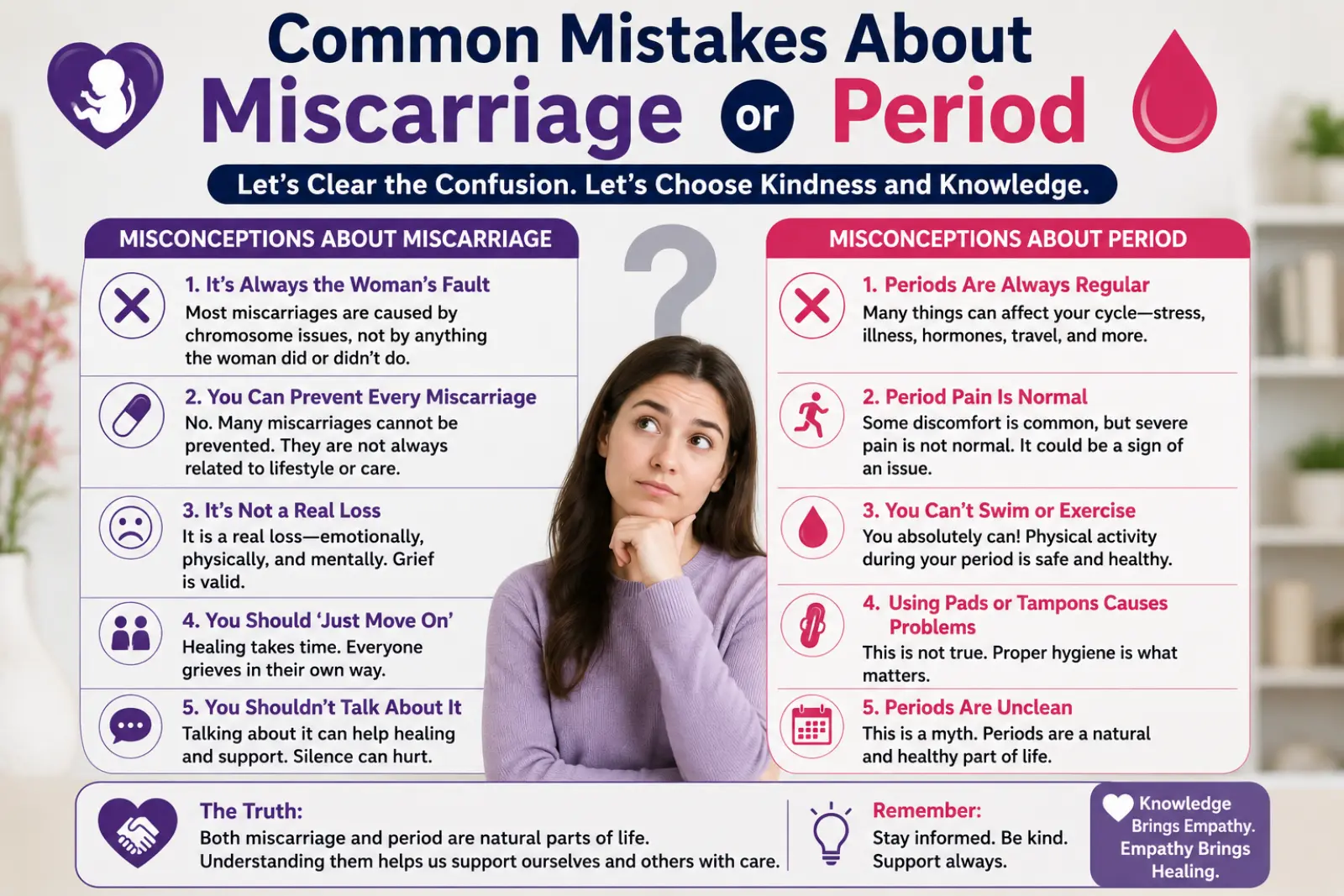
Common Mistakes About Miscarriage or Period
Mistake 1
❌ Every heavy period is a miscarriage.
✔ Heavy periods can happen without pregnancy.
Mistake 2
❌ Every miscarriage causes severe pain.
✔ Symptoms vary from person to person.
Mistake 3
❌ Miscarriages always have obvious signs.
✔ Some early miscarriages may resemble a heavy period.
Mistake 4
❌ Stress always causes miscarriage.
✔ Most miscarriages happen because of problems with the developing pregnancy, not everyday activities or normal stress
Mistake 5
❌ You can diagnose a miscarriage by symptoms alone.
✔ Only a healthcare professional can confirm it, often using a pregnancy test, blood tests, an ultrasound, or a combination of these.
Miscarriage or Period in Everyday Situations
After a Missed Period
A positive pregnancy test followed by bleeding should be assessed by a healthcare provider.
During Your Monthly Cycle
Regular bleeding that follows your usual pattern is more likely to be a menstrual period.
Heavy Bleeding
If you have very heavy bleeding, severe pain, dizziness, fainting, or soak through two or more pads per hour for two consecutive hours, seek urgent medical care.
Miscarriage or Period in Different Contexts
Pregnancy
Bleeding during pregnancy is not always a miscarriage, but it should always be discussed with a healthcare professional.
Women’s Health
Understanding menstrual cycles helps people recognize unusual symptoms.
Healthcare
Doctors may use pregnancy tests, blood tests, and ultrasound examinations to determine the cause of bleeding.
Google Trends and Search Interest
Searches for miscarriage or period remain common because many people want to understand unexpected bleeding during early pregnancy.
Popular searches include:
- Heavy period or miscarriage
- Early miscarriage symptoms
- Miscarriage bleeding vs period
- Pregnancy bleeding
- First trimester miscarriage
Interest is high in the United States, United Kingdom, Canada, Australia, India, and Pakistan.
Comparison Table: Miscarriage vs Period
| Feature | Miscarriage | Period |
|---|---|---|
| Pregnancy Present | Yes | No |
| Bleeding | Often heavier | Usually follows your normal pattern |
| Clots | May be larger | Usually smaller |
| Pregnancy Tissue | May pass | No |
| Medical Evaluation | Recommended | Usually not needed unless symptoms are unusual |
Miscarriage or Period for Beginners
Remember these simple facts:
- A period is a normal monthly event.
- A miscarriage happens during pregnancy.
- The symptoms can overlap, especially early on.
- A healthcare professional is the best person to confirm the cause.
Simple Trick to Remember Miscarriage or Period
Think of it this way:
- Period = Monthly cycle without pregnancy.
- Miscarriage = Pregnancy loss.
If you recently had a positive pregnancy test and develop bleeding, it’s safest to contact your healthcare provider.
Expert Tips
- Track your menstrual cycle.
- Take a pregnancy test if your period is late.
- Don’t assume heavy bleeding is “just a period” if pregnancy is possible.
- Seek immediate medical attention for severe pain, very heavy bleeding, fainting, or bleeding during a known pregnancy.
Related Searches People Also Ask
- How can I tell the difference between a miscarriage and a period?
- Does a miscarriage look like a heavy period?
- Can you mistake a miscarriage for a period?
- How long does miscarriage bleeding last?
- What do miscarriage clots look like?
- Can you have a miscarriage without knowing you were pregnant?
- When should I see a doctor for heavy bleeding?
- Is cramping normal during a miscarriage?
- Can pregnancy bleeding be mistaken for a period?
- What happens after an early miscarriage?
FAQs
Can a miscarriage feel like a period?
Yes. An early miscarriage can sometimes resemble a heavy period.
Is miscarriage bleeding always heavy?
No. It can range from light spotting to heavy bleeding.
Can a pregnancy test help?
Yes. A positive pregnancy test followed by bleeding should be evaluated by a healthcare professional.
Do all heavy periods mean miscarriage?
No. Heavy periods have many possible causes.
Should I go to the hospital for heavy bleeding?
Seek urgent medical care if you have very heavy bleeding, severe pain, dizziness, fainting, or if you’re pregnant and bleeding.
Can stress cause miscarriage?
Normal daily stress is not considered a common cause of miscarriage.
How is a miscarriage confirmed?
A healthcare professional may use blood tests, pregnancy tests, and ultrasound to make the diagnosis.
Can you prevent most miscarriages?
Most early miscarriages cannot be prevented because they usually result from problems with the developing pregnancy.
Final Verdict
When comparing miscarriage or period, remember that a period is a normal part of the menstrual cycle, while a miscarriage is the loss of a pregnancy. Because the symptoms can overlap, especially in early pregnancy, it is important to seek medical advice if pregnancy is possible or symptoms are severe.
Conclusion
Knowing the difference between miscarriage or period can help you make informed decisions about your health. While some signs are similar, pregnancy history, bleeding patterns, and medical evaluation are key to finding the correct answer. If you have bleeding during pregnancy or are unsure what you’re experiencing, contact a qualified healthcare professional promptly.
Easy Memory Trick: Period = monthly cycle. Miscarriage = pregnancy loss.

Camila Green is an English language writer who specializes in confusing word comparisons and spelling explanations. She creates simple, beginner-friendly guides on topics like “niece or neice” and other common English mistakes. Her writing focuses on clarity, real-life examples, and easy learning. At VerrsaPick, she helps readers improve their English with practical and engaging content.