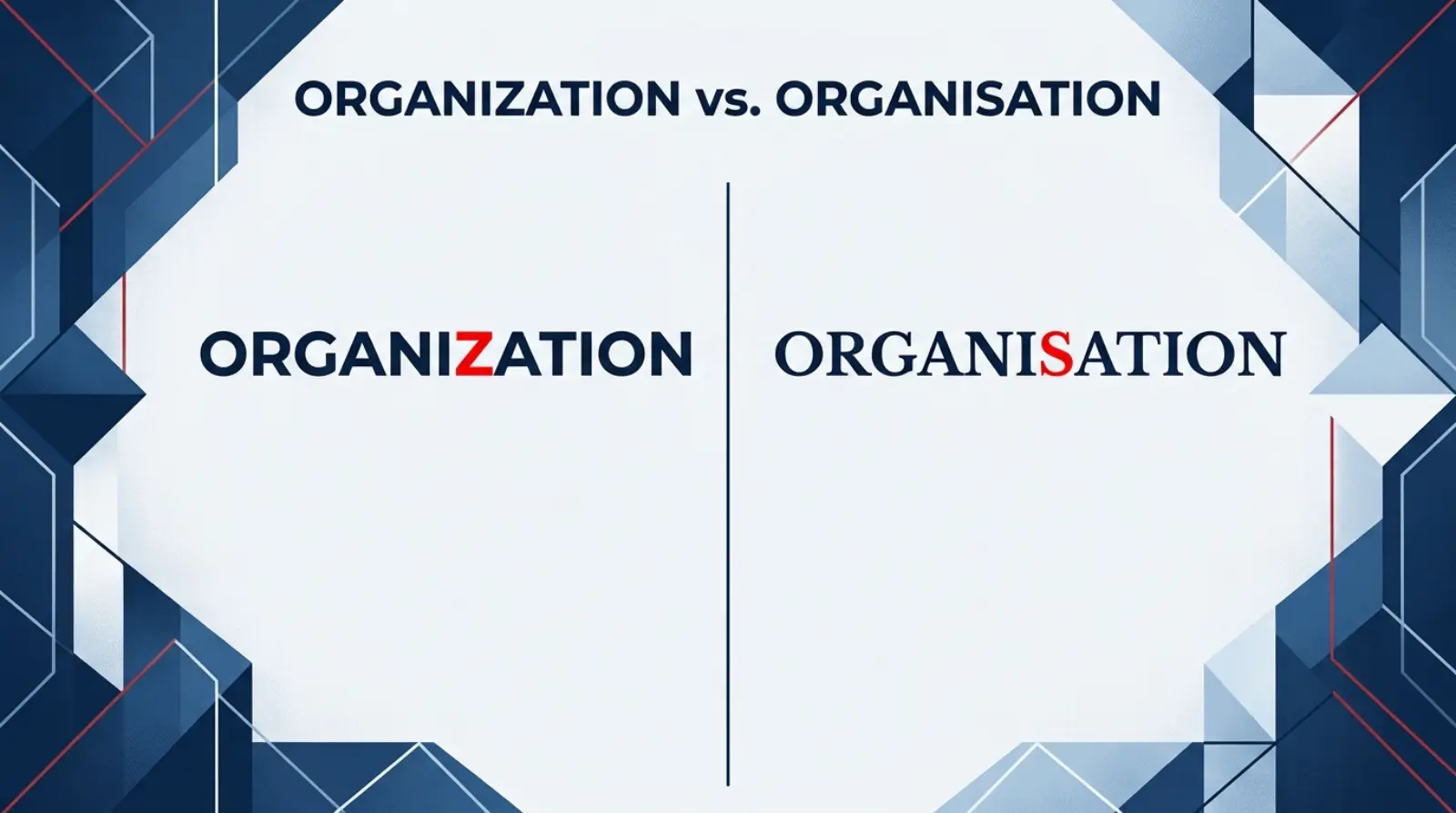
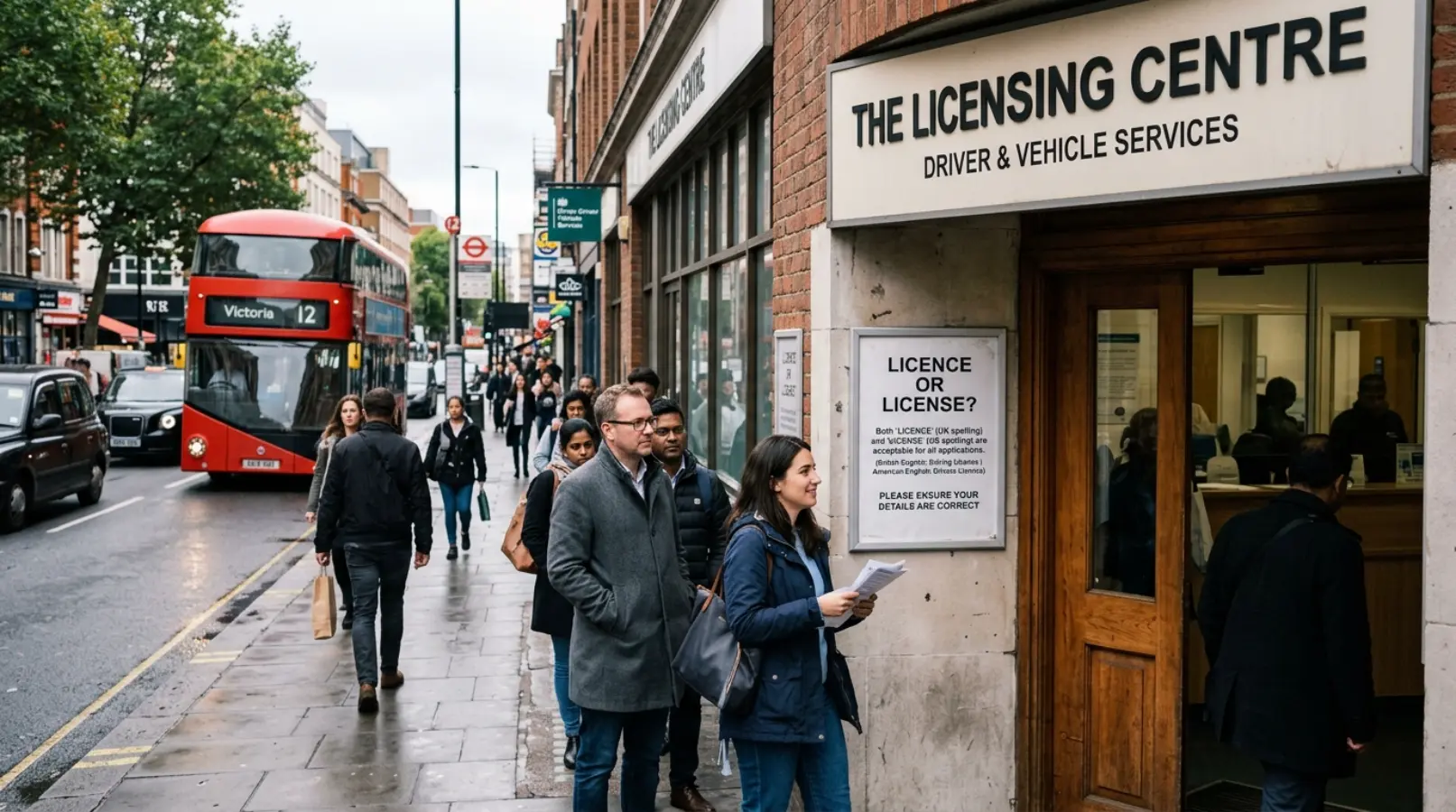
Have you ever wondered if it should be Licence or License? You are not alone. These two spellings look almost identical, but their usage depends on the type of English you are using.
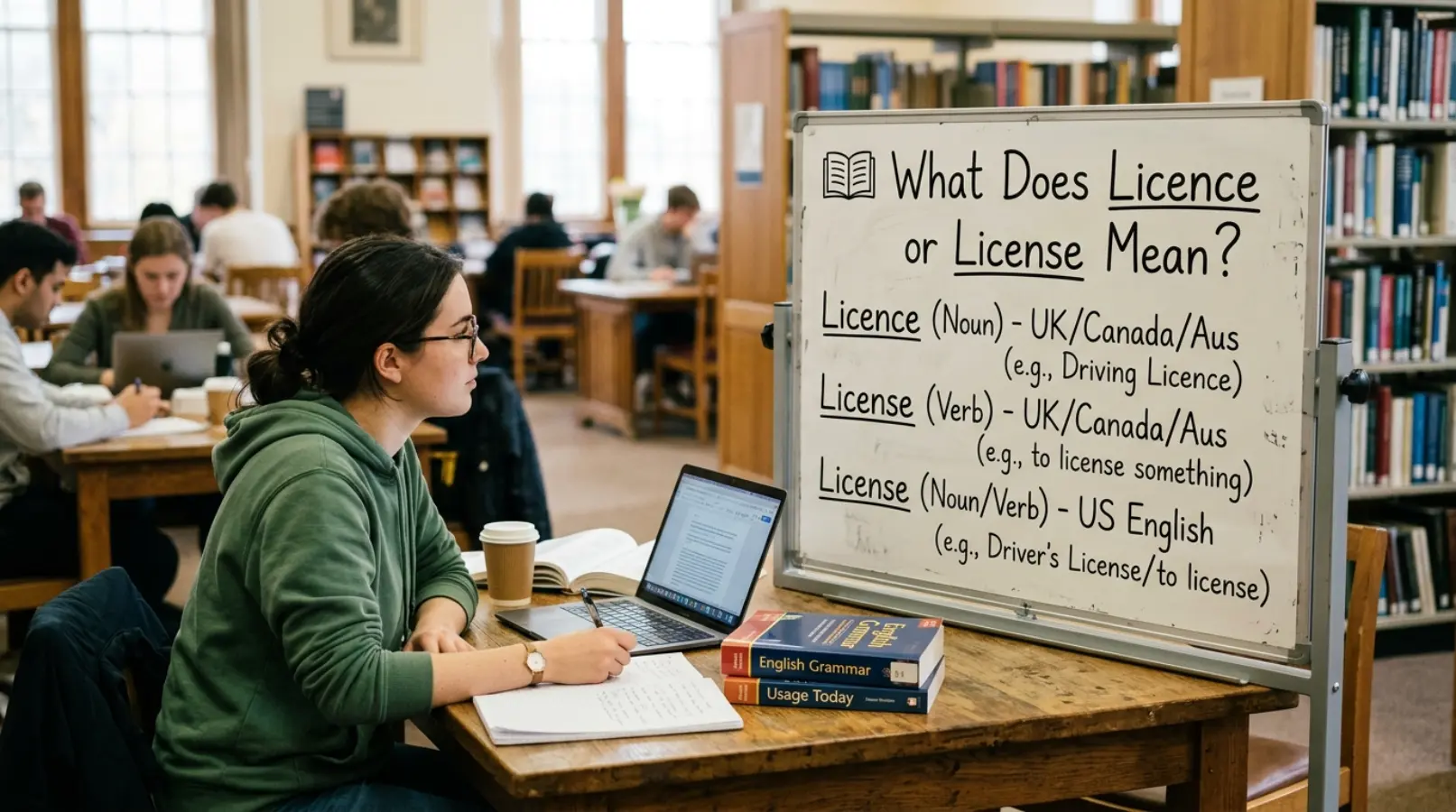
In American English, license is the standard spelling for both the noun and verb. In British English, licence is usually used as a noun, while license is used as a verb.
This small spelling difference can be confusing, especially when writing emails, school assignments, business documents, or online content. Knowing the correct form helps you write clearly and avoid common grammar mistakes.
In this guide, you will learn the difference between Licence or License, their meanings, usage, pronunciation, and easy examples.
You may see this word in:
- School exams 📚
- Office documents 🏢
- Driving rules 🚗
- Legal papers ⚖️
- Social media posts 📱
- Online forms 🌐
- Business emails 💼
People usually search for:
- licence or license meaning
- correct spelling
- pronunciation
- usage difference
- grammar rule
- examples in sentences
This confusion becomes even stronger because English has two major systems:
- British English 🇬🇧
- American English 🇺🇸
One uses “licence”, the other uses “license”, and both can be correct depending on context.
It can feel frustrating, especially when you want to write professionally or avoid mistakes in exams or work emails. But don’t worry—this guide will make everything simple.
In this article, you’ll learn the meaning, pronunciation, examples, usage, grammar rules, common mistakes, expert tips, and simple explanations in easy English.
⭐ Licence or License – Quick Answer
Let’s make this super simple and clear.
👉 Licence = noun (British English) → a document or permission
👉 License = noun + verb (American English) → permission or to give permission
✏️ Simple breakdown:
👉 Licence (UK) = a permit or official paper
👉 License (US) = permit OR to give permission
📌 Examples:
- I got my driving licence yesterday. (UK noun)
- He lost his fishing licence. (UK noun)
- The city will license new drivers. (US verb)
- You need a business license. (US noun)
🧠 Simple Rule:
👉 If it is British English → “licence” = noun only
👉 If it is American English → “license” = noun + verb
💡 Easy Memory Trick:
Think:
- “C = Certificate” → licence (UK noun paper)
- “S = Speak/Send action” → license (US verb action)
📖 What Does Licence or License Mean?
The words licence or license both refer to permission given by authority to do something.
It usually means:
- Legal permission
- Official approval
- Government-issued document
🧾 Full Meaning:
👉 Licence (UK English)
A noun meaning an official document giving permission.
👉 License (US English)
- A noun meaning permission document
- A verb meaning “to allow officially”
💬 Beginner Explanation:
Imagine you want to drive a car. You cannot drive without permission from the government. That permission card is your driving licence/license.
❤️ Emotional Meaning:
A licence often represents:
- Freedom (you can drive, work, or operate something)
- Responsibility (you must follow rules)
- Trust from authority
🏢 Professional Meaning:
In business or law, a license means:
- Permission to operate legally
- Proof of qualification
- Government approval
🌐 Internet Meaning:
Online, “license” is used for:
- Software license (Windows, apps)
- Content usage rights
- Digital permissions
🔄 Synonyms:
- Permit
- Authorization
- Certificate
- Approval
❌ Opposites:
- Ban
- Prohibition
- Restriction
🔗 Related Terms:
- Driving test
- Certification
- Registration
- Legal permission
🔁 Common Variations:
- Driving licence/license
- Business license
- Software license
- Marriage license
🕰️ Origin of Licence or License
The word comes from the Latin word “licentia”, meaning freedom or permission.
Over time:
- Old French used “licence”
- Middle English adopted it
- Later split into British and American spelling styles
Today:
- UK kept licence (noun form)
- US simplified it to license (both noun and verb)
🔊 How to Pronounce Licence or License
Both words are pronounced the same.
📢 Pronunciation:
👉 lie-sens
🧩 Syllables:
- li-cense → 2 syllables
- li-cence → 2 syllables
🗣️ Easy Speaking Trick:
Say it like:
👉 “LYE-sens”
❗ Common Mistake:
People often try to pronounce them differently, but they sound the same.
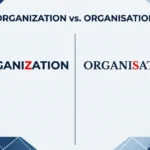
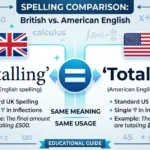
🇬🇧 British English vs American English Usage
| Feature | British English | American English | Notes |
|---|---|---|---|
| Noun | Licence | License | UK uses “c”, US uses “s” |
| Verb | Not used | License | US uses as verb |
| Pronunciation | Same | Same | No difference |
| Usage | Formal/legal | Formal/legal | Context matters |
What Is a Software License?
A software license is a legal agreement that explains how you can use, copy, modify, or share a software program. It gives users permission to use the software while setting limits on what they can do with it.
For example, a license may allow you to install software on one computer but prevent you from sharing copies with others.
Common types include proprietary licenses, which restrict how software can be used, and open source licenses, which may allow users to view, modify, and distribute the code under certain conditions.
In simple terms, a software license answers one important question: “What am I allowed to do with this software?”
✅ Which One Should You Use?
👉 Use “licence” when:
- Writing UK English
- School exams in British system
- Legal documents in UK/Canada/Australia
👉 Use “license” when:
- Writing US English
- Talking about actions (to license something)
- Software/business writing in American style
💼 Quick Tips:
- Academic writing → follow your country style guide
- Business writing → match your audience
- Social media → either is fine
❌ Common Mistakes with Licence or License
Mistake 1
❌ I need a driving license (UK writing)
✔ I need a driving licence
Mistake 2
❌ He got his driving licence (US verb use)
✔ He got his driving license
Mistake 3
❌ The government will licence drivers (UK)
✔ The government will license drivers
Mistake 4
❌ She lost her license (UK noun spelling)
✔ She lost her licence
Mistake 5
❌ Mixing both spellings in one paragraph
✔ Use one system consistently
Mistake 6
❌ Thinking pronunciation changes
✔ Both sound the same
Mistake 7
❌ Using “licence” as a verb
✔ Only “license” is used as a verb (US English)
🌍 Licence or License in Everyday Examples
🏢 Work:
- I need a business license to open a shop.
📚 School:
- Students learn about driving licence rules.
📱 Social Media:
- “Got my driving license today!” 🚗
🏠 Daily Life:
- You need a fishing licence for this lake.
📧 Emails:
- Please attach your professional license.
💬 Text Messages:
- “Finally got my driving licence 😍”
🌐 Online Content:
- Software license terms must be accepted.
🗣️ Conversations:
- Do you have your driving license yet?
🧠 Licence or License in Different Contexts
🎓 Education
Used in law, grammar, and civics lessons.
💼 Business
Used for permits and legal operations.
🏢 Workplace
Important for professional certifications.
🌐 Internet
Used in software and digital rights.
📢 Social Media
Often used in personal achievements posts.
⚖️ Law
Used for government-issued permissions.
What Are the Six Types of CC Licenses?
The six main Creative Commons (CC) licenses give creators different ways to control how others can use their work. They range from licenses that allow broad reuse to those with stricter conditions.
- CC BY — Allows others to use, modify, and share the work as long as they give credit to the creator.
- CC BY SA — Allows reuse and modification with credit, but adapted works must use the same license.
- CC BY ND — Allows people to share the work with credit, but they cannot distribute modified versions.
- CC BY NC — Allows reuse and modification with credit, but only for noncommercial purposes.
- CC BY NC SA — Allows noncommercial reuse and modification with credit, with adapted works shared under the same license.
- CC BY NC ND — The most restrictive CC license. It allows people to share the original work with credit, but not modify it or use it commercially.
In simple terms, BY means credit, NC means noncommercial, ND means no derivatives, and SA means share alike.
📈 Google Trends & Usage Data
People search “licence or license” because:
- They are unsure about spelling
- They want exam accuracy
- They need professional writing help
- They are confused by UK vs US English
🌍 Popular Countries:
- US 🇺🇸 (license)
- UK 🇬🇧 (licence)
- India 🇮🇳 (mixed usage)
- Pakistan 🇵🇰 (British influence)
- Canada 🇨🇦 (both systems)
- Australia 🇦🇺 (British style)
🔍 Related Searches:
- licence vs license difference
- how to spell license UK US
- driving licence spelling
- software license meaning
- grammar rules licence license
📊 Comparison Table: Licence or License
| Feature | Licence | License |
|---|---|---|
| Correctness | UK English | US English |
| Meaning | Permission document | Permission or action |
| Grammar Role | Noun only | Noun + Verb |
| Popularity | UK/Commonwealth | Global/US |
| Academic Use | British system | American system |
| Common Mistakes | Mixing styles | Wrong noun use |
| Internet Use | Less common | Very common |
| Professional Use | Legal UK docs | Global tech/business |
💼 Licence or License in Professional Life
In professional settings, this word is very important.
Used in:
- Healthcare licenses 👩⚕️
- Driving jobs 🚚
- Business permits 🏪
- Software rights 💻
Example:
- You cannot practice medicine without a medical license.
👉 A small spelling mistake can change your professionalism in emails or documents.
🎓 Licence or License for Students
Students often struggle because:
- Two spellings exist
- UK vs US rules confuse them
- Verb vs noun usage is tricky
Easy Tricks:
- UK = licence = noun only
- US = license = noun + verb
🔍 Signs and Common Uses
- Legal documents
- Driving tests
- Software agreements
- Business approvals
- Online forms
- Government certificates
🧩 Simple Trick to Remember
👉 Licence = “Certificate (C)” → UK noun
👉 License = “Send action (S)” → US verb + noun
Think of it this way:
- Licence is a paper you hold 📄
- License is permission or action ⚡
🏆 Expert Tips
- Always check your English style (UK or US)
- Stay consistent in one document
- Use Grammarly or style guides
- Remember noun vs verb rule
- Practice with real sentences daily
🌐 Related Searches (People Also Ask)
- how to spell licence or license
- difference between licence and license
- license meaning in English
- driving licence spelling UK
- why does license have two spellings
- licence vs license examples
- is license a verb or noun
- software license meaning
❓ FAQs
1. What is correct: licence or license?
Both are correct depending on UK or US English.
2. Is license a noun or verb?
In American English, it is both.
3. What is driving licence?
It is an official permit to drive a vehicle.
4. Why are there two spellings?
Because British and American English evolved differently.
5. How do you pronounce licence?
It is pronounced “lye-sens”.
6. Is licence used in the US?
No, US uses “license”.
7. Can I mix both spellings?
No, always choose one style.
8. What is software license?
It is permission to use software legally.
9. Which is more common globally?
“License” is more widely used online.
10. Is license formal?
Yes, it is used in legal and professional writing.
🏁 Final Verdict
👉 Both “licence” and “license” are correct
👉 The difference is British vs American English
👉 Rule is simple: UK = licence, US = license
Easy Memory Rule:
📄 Licence = document
⚡ License = action + document
✅ Conclusion
The confusion between licence or license is very common, but now it should feel simple. Just remember the basic rule: British English uses “licence” for nouns, and American English uses “license” for both noun and verb.
With a little practice, you will never mix them again. Keep the style consistent, and your writing will look professional and correct.
👉 Final trick:
Licence = paper 📄 | License = permission ⚡

Camila Green is an English language writer who specializes in confusing word comparisons and spelling explanations. She creates simple, beginner-friendly guides on topics like “niece or neice” and other common English mistakes. Her writing focuses on clarity, real-life examples, and easy learning. At VerrsaPick, she helps readers improve their English with practical and engaging content.